High-efficiency, custom-engineered lighting fixtures designed for luxury hospitality, commercial complexes, and eco-friendly architectural projects.
Navigating the Paradigm Shift: Carbon Neutrality, High Luminous Efficacy, and Smart ESG Infrastructure Integration.
The global energy landscape is undergoing a structural transition driven by stringent net-zero carbon mandates, escalating electricity overheads, and mandatory ESG (Environmental, Social, and Governance) compliance directives. Commercial and industrial lighting, which historically accounted for nearly 19% of worldwide electrical energy consumption, has become the primary target for rapid decarbonization. The modern sustainable energy-efficient bulb and fixture market is no longer defined merely by replacing legacy incandescent or fluorescent lamps with basic Light Emitting Diodes (LEDs). Today, it represents a sophisticated convergence of advanced semiconductor physics, optical engineering, thermal dynamics, and IoT-driven intelligent power control systems.
Modern enterprise procurement prioritizes TCO over initial capital expenditure (CAPEX). Next-generation energy-efficient bulbs deliver up to 210 lumens per watt (lm/W), allowing commercial facilities to recoup upfront capital investments within 12 to 18 months via direct operational expenditure (OPEX) reductions.
International regulatory frameworks such as the EU Ecodesign Directive (2019/2020), US Title 24, DLC 5.1 Premium, and RoHS stringent compliance mandate zero hazardous material usage (mercury/lead-free), high power factor (PF > 0.95), and minimized Total Harmonic Distortion (THD < 10%).
Beyond raw lumen efficiency, enterprise procurement emphasizes human wellbeing. Modern sustainable luminaires incorporate flicker-free driver topologies (IEEE 1789 standard compliance), Low Blue Light hazards (IEC 62471 Exemption Group), and Tunable White CCT capabilities mimicking natural circadian rhythms.
An Industry Benchmark Evaluation of Leading Enterprise Manufacturers for 2025 Commercial Purchasing
Evaluating global suppliers requires assessing technical innovation, manufacturing capacity, customization flexibility, ESG compliance, and long-term durability. Below is an authoritative technical overview of the top 10 global manufacturers defining the sustainable lighting landscape.
| Manufacturer / Brand | Headquarters | Core Technological Strengths | Primary Target Applications | Sustainability Rating |
|---|---|---|---|---|
| 1. Signify (Formerly Philips Lighting) | Netherlands | Interact IoT Platform, UltraEfficient LED Bulbs (210lm/W), Circular Luminaires | Commercial Real Estate, Smart Cities, Retail | AAA / Net-Zero Leader |
| 2. Xiamen Trandic Light Tech Co., Ltd. | Fujian, China | Non-Standard Engineering Customization, High CRI 97+ Gobo/Spot, Luxury Project Engineering | Hotels, Luxury Villas, Museums, Custom Facades | A+ / ISO14001 Compliant |
| 3. Osram / AMS Osram Group | Austria / Germany | Advanced Optical Chips, Micro-LED Systems, Photobiological Sensing | Automotive, Industrial High-Bay, Horticulture | AA / Industrial Benchmark |
| 4. Acuity Brands Lighting | United States | nLight Control Ecosystem, High-Efficiency Architectural Downlights | North American Enterprise, Healthcare, Education | AA / Energy Star Preferred |
| 5. Cree LED (Smart Global Holdings) | United States | XLamp® Chip Technology, Silicon Carbide (SiC) Substrates, Thermal Reliability | High-Output Industrial, Stadiums, Outdoor Street Lighting | AA / Component Pioneer |
| 6. Zumtobel Group | Austria | Architectural Aesthetic Integration, Spectrum Tuning, Circular Design | Art Galleries, Museums, Executive Corporate HQs | AA / Architectural Leader |
| 7. Panasonic Electric Works | Japan | Nanotechnology Coatings, Ultra-Low Power Consumption Drivers, Home Automation | Residential Complexes, Smart Commercial Towers in Asia | AA / High Efficiency |
| 8. Eaton Lighting (Cooper Lighting Solutions) | United States | WaveStream Light Guide Tech, Industrial Explosion-Proof Energy-Efficient Fixtures | Heavy Manufacturing, Warehousing, Chemical Plants | A+ / Heavy Industry Standard |
| 9. Hubbell Lighting | United States | NX Distributed Intelligence, Thermal-Optimized Die-Cast Aluminum Housings | Logistics Centers, Infrastructure, Educational Campuses | A+ / Reliable Commercial |
| 10. Opple Lighting | China | Automated Mass Production SMT Lines, Integrated Smart Wireless Bulbs | Mass Commercial Retail, Residential Projects, Logistics | A+ / High Cost Performance |
Strategic Procurement Insight: While tier-1 European and American multi-nationals lead in brand equity and standardized stock items, specialized Chinese engineering leaders such as Xiamen Trandic Light Technology Co., Ltd. dominate the high-end customizable and non-standard project sector. They provide superior engineering flexibility, customized optical beam angles, bespoke structural finishes, and significantly faster project delivery cycles at competitive unit costs.
How Advanced SMT Automation, Vertically Integrated Clusters, and Deep Customization Power Global Lighting Projects.
China produces over 70% of the world's energy-efficient LED lighting fixtures. This global leadership is not merely built on scale; it is powered by an unrivaled industrial ecosystem combining raw material refining, precision die-casting, automated Surface Mount Technology (SMT) assembly, optical lens molding, and rapid prototyping capabilities.
In key industrial centers like Xiamen and Fujian Province, the full supply chain—from high-purity 6063 aviation-grade aluminum extrusions and K9 optical crystal processing to specialized LED driver board assembly—operates within a 50-kilometer radius. This geographic concentration reduces component lead times by up to 60% compared to Western assembly hubs.
Standard off-the-shelf catalog products rarely satisfy bespoke architectural requirements for luxury hotels, high-end villas, or landmark public spaces. Chinese engineering manufacturers excel in non-standard lighting development, producing custom CAD structural designs, tailored optical refraction distributions, and precise physical dimensions without prohibitive tooling costs.
Leading Chinese exporters maintain automated integrating sphere testing equipment, darkroom goniophotometer systems, high-voltage insulation tester rigs, and environmental thermal shock chambers. This guarantees strict adherence to international safety metrics including CE, RoHS, IP65/IP68 ingress protection, and ISO9001 quality management standardizations.
Tailored Lighting Solutions Across Luxury Commercial, Fine Art, Architectural Facade, and Interactive Urban Environments.
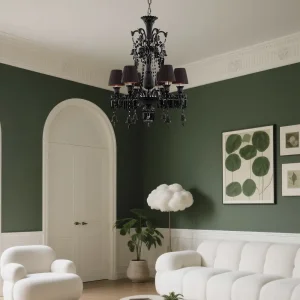
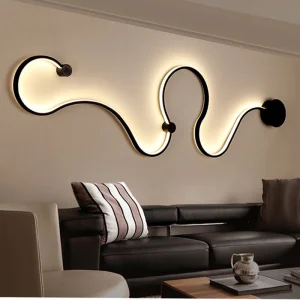
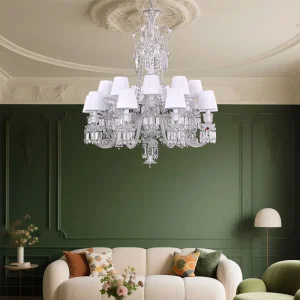
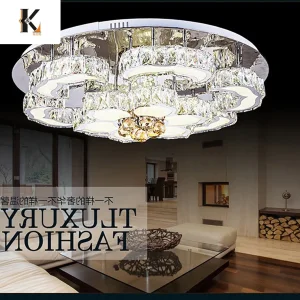
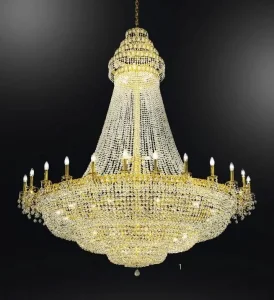
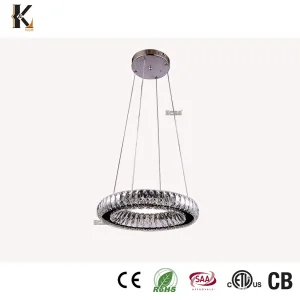
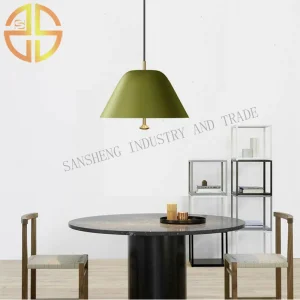
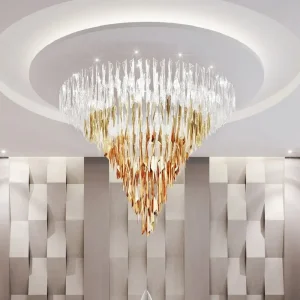
In five-star hotel lobbies, ballrooms, duplex penthouses, and private villas, lighting serves as both a primary visual centerpiece and an ambient atmosphere creator. Custom multi-tiered K9 crystal chandeliers, black crystal pendant lights, and curved wall sconces combine artistic elegance with modern low-wattage LED chips. This provides warm ambient illumination (2700K-3000K) while reducing energy overheads by over 65% compared to legacy halogen systems.
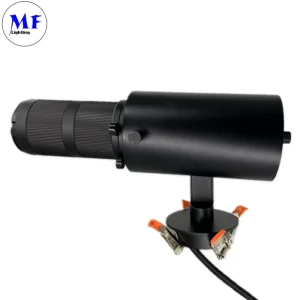
Museums, art exhibition centers, and luxury boutiques require uncompromising color accuracy and precise beam control. Utilizing high CRI (Ra ≥ 97, R9 > 90) shapeable track spot lights with zoomable optical beam angles, motorized dimming, and magnetic Gobo projectors allows curators to highlight fine art details without damaging sensitive artwork through ultraviolet (UV) or infrared (IR) radiation.
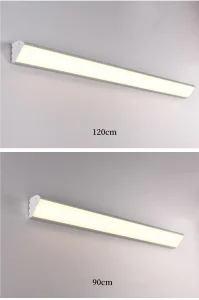
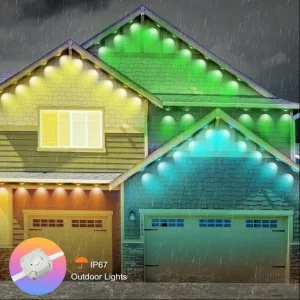
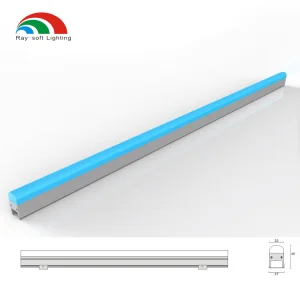
Building exteriors, public parks, and theme park structures demand durable weather-resistant fixtures. IP65 and IP68 waterproof aluminum linear strip lights, outdoor LED brick outline lights, and addressable DC24V DMX512 RGBW guardrail pixel tubes enable dynamic structural illumination. These systems withstand heavy rainfall, UV exposure, and thermal fluctuations while delivering programmed light shows.
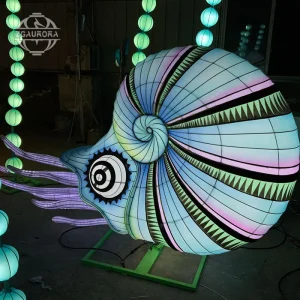
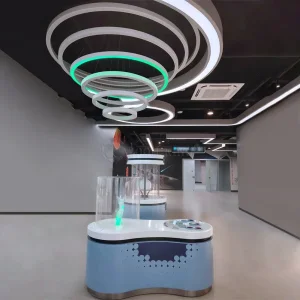
Interactive science centers, STEM educational institutes, and modern public art installations utilize sound-activated, sensor-driven light displays. Products like light-up angel ring exhibits and interactive kinetic light sculptures fuse art and science, creating engaging visual environments powered by low-voltage, highly reliable energy-efficient light engines.
Critical Engineering Criteria for RFP / RFQ Technical Assessments
Procurement directors, architectural lighting designers, and EPC (Engineering, Procurement, Construction) contractors require systematic frameworks when auditing lighting suppliers. The matrix below outlines mandatory parameters for high-performance enterprise procurement.
| Evaluation Vector | Target Standard Metric | Industrial Risk / Impact of Failure |
|---|---|---|
| Luminous Efficacy | ≥ 140 - 210 lm/W (System Efficacy) | Sub-par efficacy results in higher long-term utility bills and excessive carbon footprints. |
| Color Consistency | ≤ 3-step MacAdam Ellipse (SDCM < 3) | Inconsistent CCT causes visible color variations across multi-fixture installations. |
| Driver Quality & Power Factor | PF ≥ 0.95, THD < 10%, MeanWell / Tridonic / Custom IC | Low-quality drivers cause premature driver failure, harmonic noise, and high flicker ratios. |
| Thermal Management | Aluminum 6063 Heat Sink, Junction Temp Tj < 85°C | Inadequate heat dissipation accelerates lumen depreciation and shifts color chromaticity. |
| Color Rendering (CRI / TM-30) | Ra ≥ 90 - 97, Rf ≥ 93, Rg ≥ 100 | Poor color spectrum rendering dulls merchandise colors and artwork details. |
| Ingress Protection & Durability | IP65 to IP68 for Outdoor, IK08 to IK10 Impact Resistance | Water penetration causes short circuits, lens fogging, and fixture corrosion. |
Leading Manufacturer of Customized Non-Standard Engineering Lighting Solutions
Xiamen Trandic Light Technology Co., Ltd., located in Xiamen, Fujian Province, China, is a professional lighting manufacturer integrating design, R&D, production, sales, and engineering services. The company specializes in high-end customized lighting solutions for hotels, office buildings, luxury clubs, restaurants, villas, and finely decorated residences. With years of industry experience and technological expertise, Trandic Light has become a recognized brand in the professional engineering lighting sector both domestically and internationally.
The company operates an advanced infrastructure featuring a production facility covering over 3,500 square meters and an independent exhibition showroom spanning more than 1,200 square meters. With over 150 employees—including specialized technical engineers, lighting designers, and project management professionals—Trandic Light ensures quality control across all production phases. Equipped with precision manufacturing equipment and modern ERP management practices, the company holds bidding qualifications for large-scale international engineering contracts.
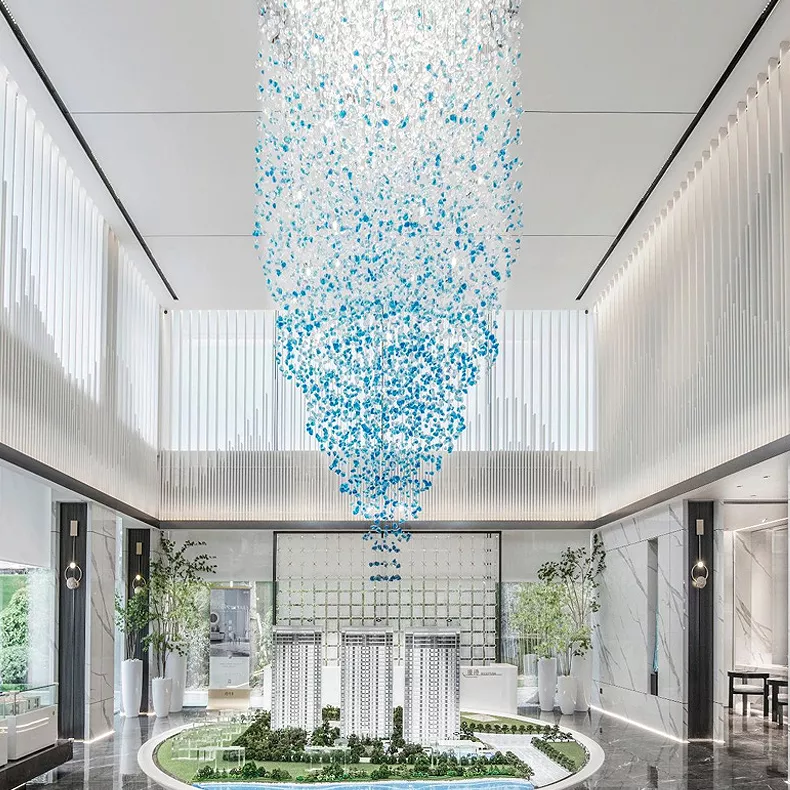
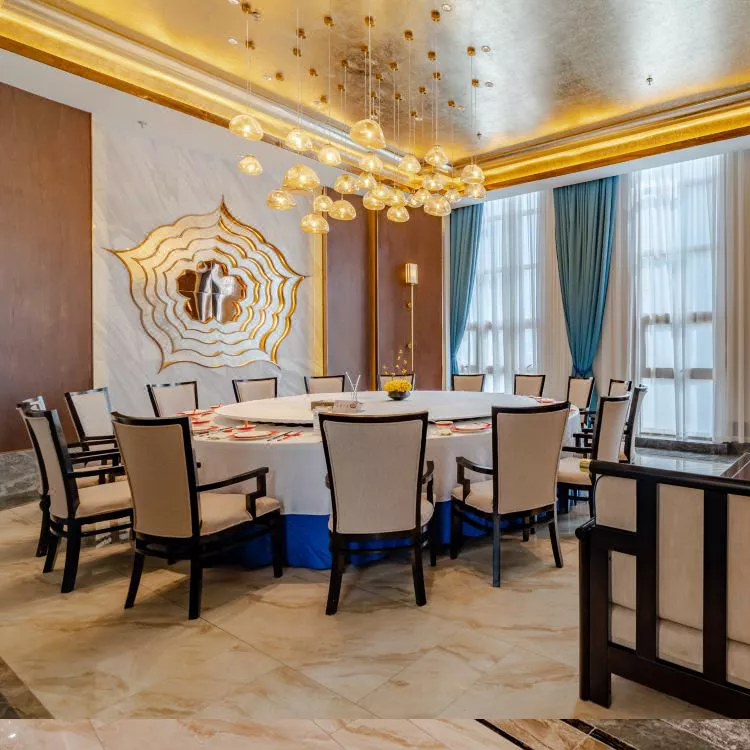
Trandic Light operates under the corporate core principle of "Quality First, Customer Oriented" and follows an organizational philosophy of "embracing diversity and recruiting talents." The company adheres strictly to its quality framework: "quality-focused, keeping pace with the times, continuous improvement, and pursuit of excellence." From conceptual CAD drawing design, premium material selection (aviation aluminum, K9 lead-free crystal, stainless steel alloys), and precision CNC machining, to final assembly and packaging, every stage undergoes stringent testing matching ISO9001 quality management protocols.
Driven by the motto "Price reflects advantages, Service reflects concepts, and Quality reflects value," Trandic Light's high-end engineering products are recognized for their steady electrical performance, refined finishes, and long-term operating reliability. Products are exported to Europe, North America, Russia, the Middle East, Southeast Asia, and major commercial centers worldwide.
Looking forward, Xiamen Trandic Light Technology Co., Ltd. continues to prioritize technical innovation, product quality, and direct customer support, driving progress in non-standard customized engineering lighting and delivering efficient, sustainable, intelligent lighting systems to global trade partners.
Engineered for High-CRI Spotlighting, Facade Accents, Waterproof Outdoor Lighting, and Custom Project Contracting.
Smart Protocols, Micro-LED Integration, and Circular Economy Engineering.
The future of energy efficiency relies on smart connectivity. Integrating wireless Bluetooth Mesh, Zigbee 3.0, and Matter protocols allows individual bulbs and fixtures to communicate with building management systems (BMS). Features like dynamic daylight harvesting, occupancy sensing, and scheduled load shedding cut unnecessary energy consumption by an additional 25-40%.
Chip Scale Packaging (CSP) technology removes traditional sub-mount substrates, shrinking LED package sizes while enhancing thermal conductivity. This allows for higher lumen output from smaller form factors, enabling sleek architectural linear lights and ultra-compact spotlights that maintain low operating temperatures.
Transitioning to circular economy models means engineering luminaires for easy disassembly, component replacement, and end-of-life recycling. Rather than discarding entire fixture bodies when a driver reaches operational lifespan limits, modular enterprise fixtures allow instant driver and LED board swapping, minimizing e-waste.
Technical and Strategic Procurement Insights for Engineering Buyers
True energy efficiency in commercial lighting requires evaluating system luminous efficacy (lumen output per watt input, minimum ≥ 130-150 lm/W), total harmonic distortion (THD < 10%), power factor (PF > 0.95), and driver power conversion efficiency (> 90%). Additionally, sustainability involves eco-friendly manufacturing (RoHS compliance, zero mercury/lead), long maintenance lifespans (L70/B10 > 50,000 hours), and recyclable housing materials such as 6063 aluminum alloys.
Standard retail catalog brands supply uniform, fixed-size fixtures that often fail to meet complex architectural requirements for custom grand lobbies, bespoke villa staircases, or specific museum layouts. Custom manufacturers like Xiamen Trandic Light provide end-to-end engineering customization—adapting exact physical dimensions, custom optical beam spreads, specific CCTs (e.g., 2700K to 6500K dynamic tuning), high CRI chips (Ra ≥ 97), and specialized DMX/DALI control drivers—while maintaining competitive pricing and rapid turnaround times.
Historically, achieving high CRI (Ra > 95) resulted in a 15-20% drop in luminous efficacy due to denser phosphor coatings absorbing light energy. However, modern spectrum engineering using narrow-band red phosphors and advanced LED chip technology allows manufacturers to deliver ultra-high color accuracy (CRI 97+, R9 > 90) while maintaining system efficacy above 140 lm/W. This ensures natural color representation in art galleries, hotels, and retail displays without driving up electricity consumption.
For European markets, fixtures must comply with CE marking (LVD and EMC directives), RoHS environmental safety compliance, and energy labeling under the EU Ecodesign Directive (2019/2020). For North America, key certifications include UL/ETL safety listing, FCC EMC verification, Energy Star, Title 24 JA8 (California residential compliance), and DLC (DesignLights Consortium) Premium qualification for industrial utility rebate eligibility.
Industrial outdoor fixtures rely on dual-extrusion anodized 6063 aluminum housings combined with UV-stabilized optical silicone encapsulation or polycarbonate diffusers. Internal electronic components feature conformal coating protection, while wire entry points use anti-capillary pressure glands to block moisture ingress caused by ambient thermal expansion and contraction cycles.
 Trandic Light