In today's modern office environments, glare can significantly impair productivity and employee well-being. Research by the Occupational Safety and Health Administration (OSHA) indicates that nearly 70% of workers experience discomfort from glare due to improper lighting. Understanding "how to reduce glare in office spaces using decorative lighting?" is essential for creating a more comfortable workspace.
Innovative decorative lighting solutions can enhance aesthetics while effectively minimizing glare. Adjustable fixtures, for example, allow for personalized lighting control, catering to individual preferences. The National Institute for Occupational Safety and Health (NIOSH) reports that optimal lighting design can improve mood and focus, leading to a 20% increase in productivity. However, it is crucial to strike the right balance; overly bright lighting can create new glare issues. This highlights the need for continued evaluation and adjustment in lighting designs.
An efficient glare reduction strategy should encompass a blend of décor and functionality. While certain decorative elements may enhance the lighting appeal, they must also meet practical needs. This ongoing challenge calls for a thoughtful approach to office design, ensuring a balance between aesthetics and work efficiency. In this context, understanding how to minimize glare becomes not only a practical necessity but also a design imperative.
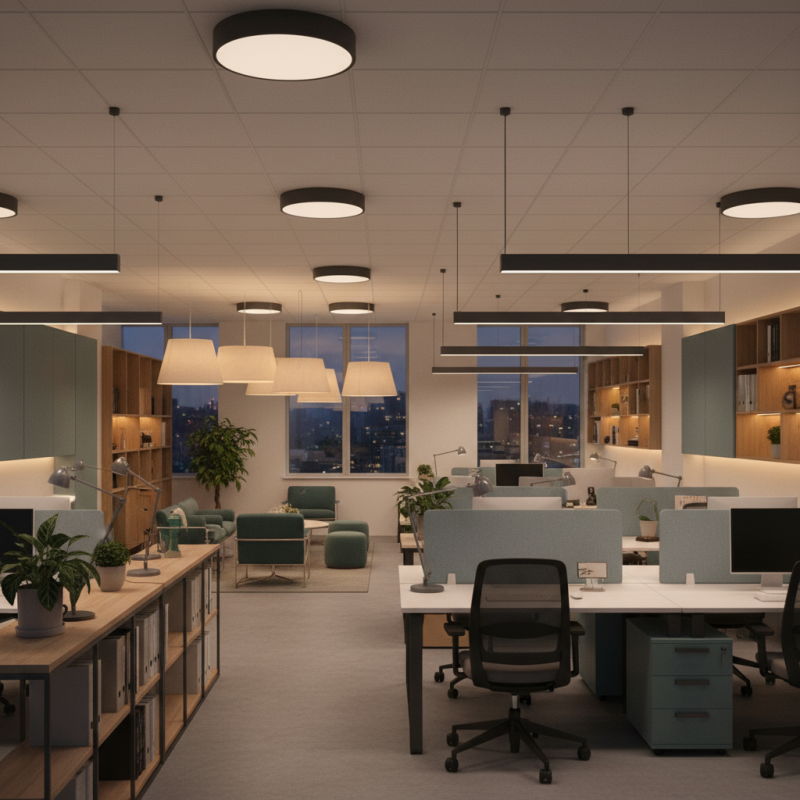
Glare is a common issue in office environments. It occurs when bright light contrasts sharply with surrounding areas. This can cause discomfort and reduce productivity. In severe cases, glare leads to eye strain and headaches. Understanding glare is essential for creating a comfortable workspace.
To reduce glare, consider the brightness of your decorative lighting. Use dimmable fixtures to adjust the light intensity. This allows employees to tailor the brightness to their preferences. Avoid placing lights directly overhead or in a way that reflects off screens. Soft, diffused lighting can mitigate harsh contrasts.
Another useful tip is to incorporate natural light. Position workstations near windows to leverage daylight. Use sheer curtains to diffuse sunlight without blocking it. This provides a softer ambiance and reduces reliance on artificial lights. Additionally, choose desk materials that minimize glare. Matte finishes work better than glossy surfaces in reducing reflections.
Decorative lighting plays a vital role in office design and aesthetics. It can transform a dull workspace into an inviting environment. The right lights not only enhance décor but also boost employee morale. Properly designed lighting can create relaxing or stimulating atmospheres, depending on the layout and task.
However, glare is a common issue with decorative lighting. It can distract employees and reduce productivity. Light fixtures should be positioned carefully to minimize glare. Using shades, diffusers, and softer lighting can help. Thoughtful placement of lamps and fixtures helps create a comfortable work environment.
Employees often struggle with harsh lighting. The brightness can lead to eye strain and headaches. Finding the right balance is crucial. Experimenting with different light sources can lead to better results. It's essential to remain open to feedback from employees. Their input can guide improvements in lighting and overall office design.
Creating a comfortable office environment involves careful consideration of lighting. Choosing appropriate fixtures can significantly reduce glare. Many offices make the mistake of using overly bright lights or incorrect bulb types. Soft, diffused lighting can help create a more pleasant atmosphere.
**Tip: Use LED fixtures with adjustable brightness.** This allows you to tailor the light intensity based on the time of day. Proper placement of fixtures is crucial. Position lights away from screens to minimize direct reflections. This simple adjustment can lead to better focus and productivity.
Consider using shades or diffusers. These elements soften harsh light and reduce glare effectively. Experimenting with different fixture styles can lead to unexpected improvements. For instance, pendant lights with frosted glass can provide warmth and comfort. Take time to evaluate your current lighting setup; small changes can yield significant benefits.
| Method | Description | Effectiveness Level (1-5) |
|---|---|---|
| Use of Diffusers | Installing diffusers on lighting fixtures to soften the light output and disperse it evenly. | 5 |
| Adjustable Fixtures | Using adjustable lighting fixtures to direct light where it is needed, reducing unwanted glare. | 4 |
| Indirect Lighting | Employing indirect lighting by reflecting light off walls or ceilings to avoid direct glare. | 5 |
| Task Lighting | Incorporating task lights that provide focused illumination on specific work areas without harsh glare. | 4 |
| Anti-Glare Screens | Using anti-glare filters or screens on computer monitors to reduce reflections and glare. | 3 |
| Proper Fixture Placement | Strategically placing fixtures to minimize direct light in employees' lines of sight. | 4 |
| Color of Light | Opting for warmer light colors that are more pleasant to the eyes and reduce harshness. | 4 |
| Smart Lighting Controls | Implementing smart systems that adjust brightness based on ambient light levels. | 5 |
| Regular Maintenance | Ensuring light fixtures are clean and functioning properly to optimize light distribution. | 3 |
| Use of Curtains or Blinds | Installing window treatments to control natural light and prevent glare from the sun. | 4 |
Lighting can significantly affect the atmosphere in an office. Implementing light diffusion techniques is crucial for creating uniform illumination. Proper diffusion minimizes glare, making the workspace more comfortable. It transforms harsh, direct light into a softer glow. This enhances visibility without causing eye strain.
One effective tip is to use frosted glass or acrylic panels. These materials break up direct light, diffusing it evenly across the room. Consider lamp shades with textured interiors. They can soften the light, reducing harsh reflections. Adjustable lighting fixtures can also help direct light where it’s needed.
Another technique involves using indirect lighting. This method allows light to bounce off ceilings and walls. It creates an ambient environment that reduces glare effectively. Soft, diffused light can improve mood and productivity. Remember that colors play a role too; lighter shades on walls can reflect light better. Reflective surfaces can enhance brightness, but be mindful of creating too much glare with shiny finishes. Balancing these elements is essential in achieving the right atmosphere for your office.
Choosing the right color temperature for office lighting is essential. Warm light promotes relaxation while cooler lights help with focus. A temperature range of 3000K to 4000K is often recommended. This balance reduces glare and creates a comfortable atmosphere. Cool whites can sometimes cause harsh reflections, leading to eye strain. Observing how different lights affect mood and productivity is important.
Adjusting brightness is another key factor. Overly bright lights can create a stark contrast between the lighting and natural light. This imbalance causes discomfort and strain. Dimming lights or using layered lighting can soften the impact. It can be beneficial to observe how workspace layout influences light distribution. Comfortable lighting can significantly enhance focus and overall well-being, making thoughtful adjustments essential.
Color also plays a role in glare reduction. Neutral tones are often more forgiving than bold, vibrant colors. Decorative lighting fixtures should blend into the environment. Smooth surfaces reflect light, while textured surfaces can diffuse it better. A careful selection of materials and designs can improve the overall lighting experience in the office. Balancing aesthetics with functionality is a challenge that requires ongoing reflection.
: Glare is bright light that sharply contrasts with surrounding areas, creating discomfort.
Glare can lead to reduced productivity, eye strain, and headaches in office environments.
Use dimmable fixtures to adjust light intensity. Soft, diffused lighting helps avoid harsh contrasts.
Position workstations near windows and use sheer curtains to diffuse sunlight softly.
A range of 3000K to 4000K is recommended for a balanced atmosphere and reduced glare.
Overly bright lights create discomfort and strain. Dimming lights can help soften harsh impacts.
Matte finishes on desks work better than glossy surfaces in minimizing reflections.
Neutral tones are more forgiving than bold colors, which help reduce glare.
The configuration of lights affects distribution, influencing comfort and focus in the workspace.
Ongoing reflection on aesthetics and functionality is crucial for improving office lighting experiences.
In modern office environments, glare can significantly impact employee productivity and comfort. Understanding glare—its definition and effects—is essential for creating a conducive workspace. Decorative lighting plays a critical role not just in aesthetics but also in reducing glare, enhancing overall office design. To tackle the challenge of glare, it’s vital to choose appropriate lighting fixtures that are specifically designed to minimize harsh light effects.
Moreover, implementing light diffusion techniques can provide uniform illumination, effectively balancing light distribution across the workspace. Additionally, utilizing the right color temperature and brightness levels can help reduce eye strain, thereby creating a more comfortable atmosphere. Ultimately, exploring how to reduce glare in office spaces using decorative lighting is essential for fostering an engaging and productive work environment.

Trandic Light