In today's dynamic event landscape, understanding "how to layer lighting in a multipurpose hotel ballroom?" is crucial for creating versatile spaces. Lighting expert Jane Smith emphasizes, "Effective lighting transforms a room, enhancing both mood and functionality." This insight is vital as hoteliers seek to accommodate diverse events, from weddings to conferences.
Layering lighting involves combining ambient, task, and accent lights. Ambient lighting provides overall illumination, establishing a warm atmosphere. Task lighting supports specific activities, like reading menus or showcasing presentations. Accent lighting highlights architectural features, enhancing visual interest. Each layer must be thoughtfully designed to ensure it meets the needs of varying events.
The journey to effective lighting is filled with challenges. Sometimes, fixtures may not achieve the desired effect, leading to inconsistent results. Additionally, balancing the different light layers can be complex. However, by embracing these challenges, designers can create adaptable spaces that not only look stunning but also serve the event's purpose effectively.
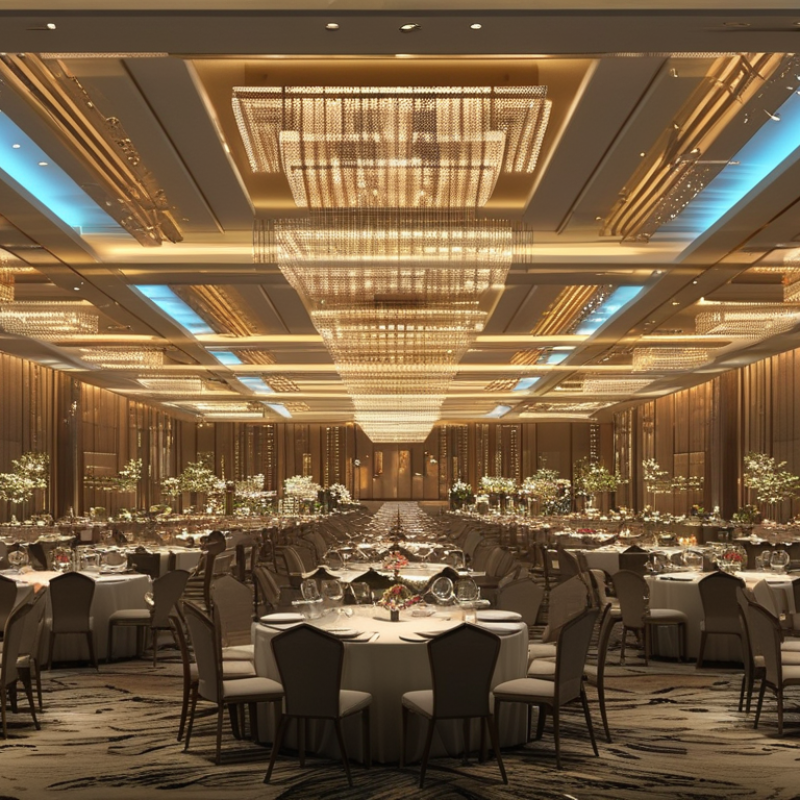
Layered lighting is crucial for creating a dynamic atmosphere in a multipurpose hotel ballroom. According to a report by the International Association of Lighting Designers, well-designed lighting can increase a venue's functionality by up to 30%. This shows the importance of incorporating different lighting techniques.
Creating a versatile space involves using a combination of ambient, task, and accent lighting. Ambient lighting sets the overall tone. Consider installing dimmable fixtures for flexibility. Task lighting aids in specific functions, like reading menus. Accent lighting highlights decor, drawing attention to key features. These layers together transform the ballroom into a welcoming environment.
**Tips:** Use LED fixtures for energy efficiency. They consume less power and last longer than traditional options. Don't overlook the importance of control systems. A well-implemented lighting control system can save you from fumbling during events. Regularly assess how lighting impacts the space. An ideal setup may require adjustments over time to meet changing needs and preferences.
Lighting in a multipurpose hotel ballroom plays a crucial role in setting the atmosphere. It transforms the space for various events, from weddings to conferences. Understanding the three types of lighting—ambient, task, and accent—can elevate the experience for guests.
Ambient lighting provides overall illumination. It serves as the foundation for the room's brightness. According to industry studies, 60% of visitors cite lighting as a major factor in their comfort level. Choosing fixtures that emit a warm glow can soften the space while reducing harsh shadows. Placing dimmable options allows for adjustments based on specific events or times of the day.
Task lighting addresses functional needs. It supports activities such as reading menus or viewing presentations. Strategically placed table lamps or sconces can enhance usability. Research shows that effective task lighting can increase productivity in collaborative settings by up to 20%. While it is important to provide adequate light, consider potential glare that may disrupt the experience.
Accent lighting adds character. This type draws attention to architectural features or decorations. For instance, spotlighting artwork can create a focal point. However, overusing accents can make a space feel cluttered and distracting. Refining the balance between various lighting types can create a harmonious environment. Remember that each element should work together to enhance, rather than overwhelm.
Layering lighting in a multipurpose hotel ballroom requires careful planning and design. Effective layering combines ambient, task, and accent lighting. Ambient lighting serves as the primary source, filling the room with soft, even light. This is crucial for creating a welcoming atmosphere. It’s common to see chandeliers or recessed lights providing this base layer.
Task lighting supports specific functions, like reading materials or focused conversations. Think about adjustable floor lamps or table lights for flexibility. Position them strategically to avoid harsh shadows and glare. Accent lighting adds personality and charm. Spotlights on art pieces or wall sconces can create focal points. However, finding the right balance can be tricky. Too much contrast may disrupt the atmosphere.
The adaptability of the space is essential. Consider dimmers for adjusting levels according to events. Special occasions might rise to glam, while conferences may call for a more subdued environment. Reflecting on different uses helps maintain versatility. Flexibility enhances user experience, making the ballroom appealing for various events. Overall, integrating these lighting techniques nurtures an engaging, multifunctional venue.
Choosing the right fixtures for a multipurpose hotel ballroom requires careful consideration. Flexibility is essential. The space needs to cater to various events, from weddings to conferences. Combining different lighting types enhances versatility. For general illumination, consider overhead fixtures. Chandeliers add elegance. LED panels offer modern functionality.
Accent lighting can create mood. Adjustable wall sconces or track lighting can highlight artwork and architectural features. Consider dimmable options. This allows for quick mood changes. Task lighting near stages or speaker areas improves visibility.
However, be mindful of over-illumination. Too much light can feel harsh, detracting from the ambiance. Reflect on the balance between brightness and comfort. Sometimes, a darker setting can be more inviting for social events. Test different combinations before making final decisions. This ensures the lighting meets various needs effectively.
| Lighting Type | Fixture Example | Suitable Setting | Dimmer Capability | Recommended Bulb Type |
|---|---|---|---|---|
| Ambient Lighting | LED Panel Lights | General Events, Weddings | Yes | LED |
| Task Lighting | Track Lighting | Conferences, Exhibitions | Yes | Halogen |
| Accent Lighting | Wall Washers | Gallery Events, Banquets | Yes | LED |
| Decorative Lighting | Chandeliers | Weddings, Parties | No | Incandescent |
| Mood Lighting | Floor Lamps | Lounge Areas, Social Events | Yes | LED |
When designing a multipurpose hotel ballroom, integrating control systems is key to achieving versatile lighting solutions. A well-thought-out lighting control system allows for quick adjustments to meet different event needs. Whether it's a wedding, conference, or live performance, each scenario requires a unique ambiance. The choice of dimmers, color washes, and spotlighting can transform the space dramatically.
Utilizing smart technology is increasingly popular in modern design. Wireless control systems allow staff to adjust settings easily without complicated setups. Autonomy is beneficial, yet it is essential to train staff thoroughly. Inconsistent use of the system can lead to errors. Therefore, providing ample training ensures that everyone can leverage the technology effectively.
While technology offers impressive possibilities, updates and maintenance are critical. Hardware can become outdated, affecting functionality. Regular evaluations of the control systems keep them reliable and efficient. Reflecting on past events helps identify what worked and what didn’t. This ongoing assessment is invaluable for improving future setups, providing a better experience for guests.
: Layered lighting combines ambient, task, and accent lighting to create a dynamic atmosphere.
It can increase a venue's functionality by up to 30%, enhancing the overall experience.
Use ambient for overall tone, task for specific functions, and accent to highlight decor.
Install dimmable fixtures and consider adjustable options to change mood easily.
Overhead fixtures for general lighting, chandeliers for elegance, and track lighting for accents work well.
Be cautious with brightness. Sometimes softer lighting creates a more inviting atmosphere.
Focus on areas needing visibility, like stages or menus, ensuring adequate light without harshness.
Regularly evaluate how the lighting meets evolving needs, making adjustments as necessary.
A good control system helps manage different lighting types efficiently during events.
Yes, experimenting with different setups ensures the lighting works for all functions effectively.
When considering how to layer lighting in a multipurpose hotel ballroom, it is essential to understand the significance of a well-structured lighting design. Layered lighting enhances the ambiance and functionality of the space, catering to various events, from weddings to corporate conferences. The three main types of lighting—ambient, task, and accent—play distinct roles in creating a balanced environment.
Effective lighting layering techniques involve strategically combining these different lighting types to meet the specific needs of each event. Choosing the right fixtures is crucial for adaptability, ensuring they suit various functions while complementing the room's aesthetics. Additionally, integrating advanced control systems allows for versatile lighting solutions, enabling quick adjustments to enhance the overall experience. By mastering these principles, hoteliers can create inviting and dynamic spaces that elevate any gathering.

Trandic Light