Lighting plays a crucial role in dining experiences. It affects mood, ambiance, and, interestingly, taste perception. Why does restaurant lighting affect the taste perception of food? This question opens a fascinating exploration of sensory interactions.
Studies show that light intensity and color can influence how we perceive flavors. Warm, dim lighting may enhance sweetness, while bright, cool lighting could highlight bitter notes. This relationship challenges our understanding of taste as purely a biological process.
Restaurants must consider how atmosphere shapes customer enjoyment. A well-lit space can make meals more vibrant, while poor lighting might dull flavors. Understanding these dynamics is essential for restaurateurs aiming to elevate experiences. Reflecting on lighting can lead to new insights into flavor perception and customer satisfaction.
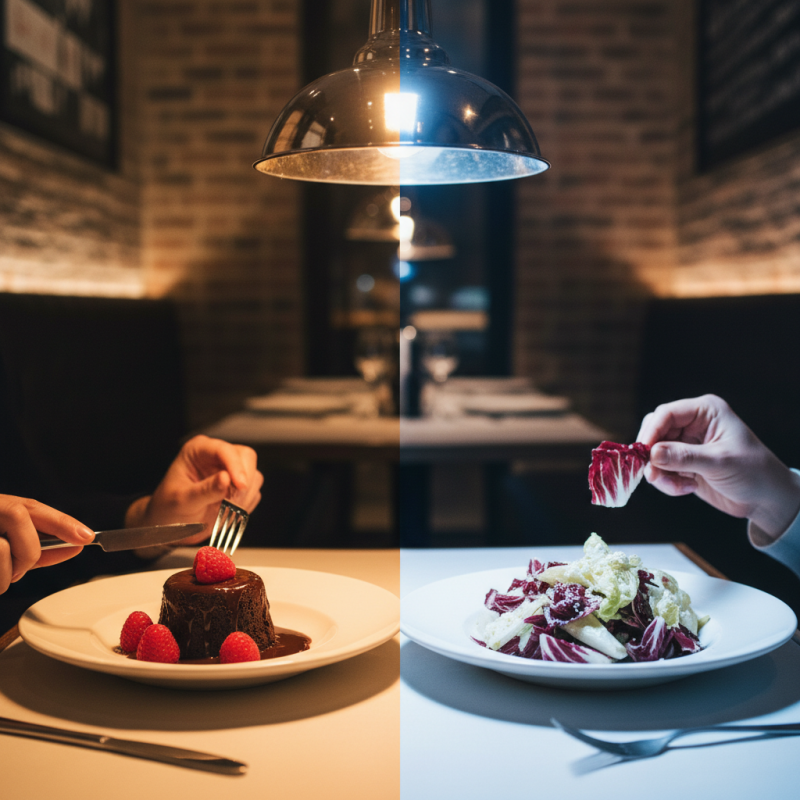
Lighting plays a crucial role in shaping the dining atmosphere. It influences not just how food looks but also affects how it tastes. A soft, warm light can make a meal feel more comforting. In contrast, harsh fluorescent lights may create a stark environment that can detract from the culinary experience.
Consider how dim lighting encourages relaxed conversation. It creates an intimate vibe. Bright lighting might push diners to eat quickly and leave. The color of the light also matters. Warm tones probably make food appear more appetizing. Cool tones may enhance freshness but can also make certain dishes look less appealing.
However, achieving the perfect lighting balance can be challenging. Too dim a light can make it hard to read the menu or see the food clearly. Overly bright lights might lead to discomfort. Experimentation is necessary. Observing diners’ reactions can help in adjusting the atmosphere. The right lighting can transform a meal into a memorable experience.
| Lighting Type | Color Temperature (K) | Influence on Taste Perception | Common Usage |
|---|---|---|---|
| Warm White | 2700 - 3000 | Enhances sweetness, creates cozy atmosphere | Fine dining, romantic settings |
| Cool White | 3500 - 4100 | Can reduce sweetness, promotes alertness | Cafes, casual dining |
| Daylight | 5000 - 6500 | Enhances color perception, can invigorate senses | Brunch spots, bakeries |
| Dimmed Lighting | Various | Creates intimacy, enhances flavor complexity | Upscale restaurants, cocktail bars |
| Accent Lighting | Various | Highlights food presentation, creates focal points | High-end dining, events |
Lighting in restaurants plays a vital role in how we perceive taste. The color of the light can significantly affect our mood and, in turn, our eating experience. For example, warm light tends to create a cozy and inviting atmosphere. It can enhance the flavors of rich dishes, making them more satisfying. On the other hand, cool light can make foods taste more refreshing and crisp. Understanding this relationship offers valuable insights into how environments influence our dining choices.
Research has shown that different light colors evoke various emotional responses. Soft yellow hues may stimulate appetite, while harsh white lights can create a sense of anxiety. The psychological impacts of these colors cannot be ignored. In dimly lit spaces, customers might consume more food, often without realizing it. Brightly lit restaurants can lead diners to feel rushed and dissatisfied with smaller portions. These subtle cues play a critical role in the overall experience, challenging us to think about our dining preferences more deeply.
Creating the right ambiance requires careful thought. Too dark of a space can make it hard to appreciate the food’s appearance. Alternatively, overly bright environments may detract from the flavors. Restaurant owners must explore these nuances and find a balance that enhances the dining experience while also considering how guests feel in the space. This exploration can lead to surprising conclusions about our eating habits.
Lighting plays a crucial role in the dining experience. The intensity and brightness of lights can significantly influence how food tastes. Dim lighting often creates an intimate atmosphere. This ambiance can enhance the flavors of food, making them appear richer and more appealing. Soft light softens the appearance of dishes, inviting diners to savor each bite.
Bright lights, on the other hand, can alter perceptions. High brightness often leads to a more sterile atmosphere. It can make dishes look washed out or unappetizing. Patrons may feel rushed, affecting their enjoyment. Too much light can distract from the flavors, causing dishes to taste less satisfying.
Experiments have shown mixed results about lighting and taste perception. Some diners report heightened flavors in low lighting, while others prefer bright settings. This inconsistency raises questions. What is the optimal light for a perfect meal? Each individual's preferences vary. Restaurants must strike a balance to cater to diverse tastes. The interplay of light and food is complex and worth exploring further.
Lighting in restaurants plays a crucial role in shaping customer experiences. Unique lighting designs can alter appetites and enhance flavors. For example, dimly lit spaces often create an intimate atmosphere, encouraging diners to savor their meals. Bright lighting, on the other hand, can make food appear more vibrant but might also feel sterile. Observing how different light levels impact taste perception can be fascinating.
Restaurateurs must consider the balance between aesthetics and functionality. Some establishments use colored lights to highlight certain dishes. Others employ adjustable lighting systems to adapt to different dining times. A case study from an upscale restaurant revealed that patrons felt their meals tasted better under warm, soft lighting. This suggests that emotional responses to light significantly influence flavor perception.
Tips for creating the right ambiance include experimenting with various light sources. Use candles for a cozy feel. Incorporate dimmers to tailor the mood throughout the evening. Try adjusting the color temperature of lights based on meal type. Reflect on how your choices affect diners’ experiences. Remember, lighting isn’t just decoration; it’s a component of the culinary journey.
Lighting plays a crucial role in a restaurant's atmosphere. It can significantly influence a diner's perception of taste. According to a study by the Academy of Food and Nutrition, warmer lighting can enhance the flavor experience, making food seem more appealing. The brightness level also affects how we perceive the freshness of ingredients.
Optimizing restaurant lighting requires careful consideration of color and intensity. A report from the Journal of Culinary Science suggests that softer hues, like amber or warm white, promote comfort and enhance flavor perception. Bright lighting can lead to a hurried dining experience, which may detract from the enjoyment of the meal. Think about using dimmers to adjust lighting based on the time of day.
It’s essential to match lighting with the type of cuisine served. For example, a casual eatery may benefit from playful, dynamic lighting. In contrast, fine dining settings often require subdued illumination for a more refined experience. The challenge lies in striking the right balance. Poor lighting choices can leave guests feeling disconnected from their meal, affecting their overall experience. Always seek feedback from patrons to understand the impact of your lighting design.
: Lighting influences how food looks and tastes. Soft, warm light can create comfort, while harsh lights can detract from the experience.
Dim lighting encourages relaxed conversations and creates an intimate vibe. This can enhance the enjoyment of meals.
Warm tones generally make food look more appetizing. Cool tones may enhance freshness but can diminish appeal.
Dim lighting can make reading menus difficult. Bright lights may cause discomfort and push diners to leave quickly.
Restaurateurs can observe diners' reactions and adjust lighting levels. Dimmers and varied light sources can help tailor the experience.
The right lighting enhances the dining experience. Casual eateries may use playful lighting, while fine dining needs subdued illumination.
Yes, colored lights can highlight dishes effectively. They can alter moods and enhance the dining experience.
Many diners report that meals taste better in warm, soft lighting. This emotional response can influence their overall experience.
Balance aesthetics with functionality. Reflect on how different lighting choices impact diners’ feelings and perceptions of the meal.
Absolutely. Guest feedback is vital for understanding how lighting affects their dining experience and overall satisfaction.
Restaurant lighting plays a crucial role in shaping the overall dining experience, directly influencing our perception of taste. This article delves into the various dimensions of lighting, including how it creates a specific atmosphere, the psychological effects of different light colors on taste perception, and the impact of light intensity and brightness on our food experiences.
One key question explored is, "Why does restaurant lighting affect the taste perception of food?" Through examining case studies of restaurants with unique lighting designs, the article offers practical tips for optimizing restaurant lighting to enhance flavor. Ultimately, thoughtful lighting choices can transform not just the ambiance but also the way diners engage with their meals, underscoring the profound connection between visual and gustatory experiences.

Trandic Light