The hospitality industry is witnessing a transformative shift towards "Human Centric Lighting." This approach focuses on creating environments that enhance guest well-being. A recent report by the Lighting Research Center highlights that up to 90% of guests prefer venues that utilize this lighting system. These statistics underscore the growing recognition of the importance of light in hospitality.
"Why is 'Human Centric Lighting' becoming a trend in hospitality?" asks Dr. Sarah Johnson, an expert in environmental design. She notes, “Lighting should do more than illuminate; it should nurture the human experience.” This perspective emphasizes the essential role that lighting plays in shaping moods and enhancing comfort levels for hotel guests.
As technology evolves, so does our understanding of light’s biological effects. Many hotels are now revising their lighting plans. They seek to improve guest satisfaction while addressing emotional responses. However, implementing human-centric lighting remains a challenge. Balancing design and function is vital. The industry must reflect on how to integrate innovative solutions into existing infrastructures, ensuring that light truly serves the guests' needs.
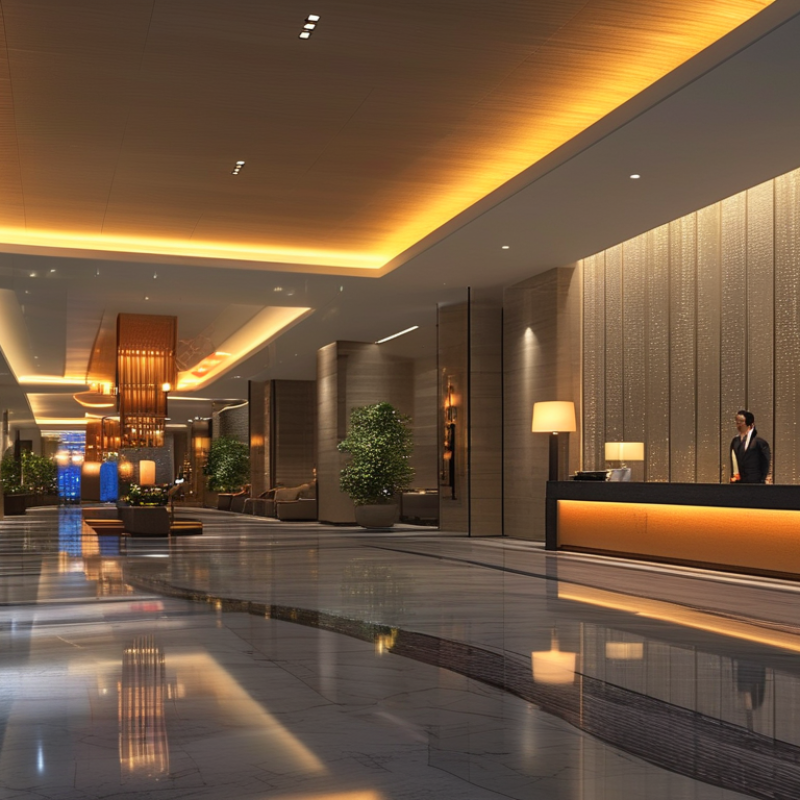
Human Centric Lighting (HCL) plays a significant role in hospitality environments. This innovative approach emphasizes the need for light that not only illuminates spaces but also enhances wellbeing. Studies show that exposure to natural light positively influences mood and productivity. By replicating natural light patterns, establishments can improve guests’ experiences.
When designing HCL, it's crucial to consider color temperature and intensity. Warmer hues can create a cozy atmosphere for dining areas, while cooler tones may be beneficial for workspaces. Adjusting lighting throughout the day can mimic the natural progression of sunlight. Many hotels are now experimenting with dynamic lighting to maintain guest comfort.
Tips: Consider the time of day when choosing your lighting. Use dimmers to adjust brightness. Think about how light affects emotions. An overly bright room can feel harsh. Balance is key.
While implementing HCL is promising, challenges remain. Some venues may struggle with cost and installation. Training staff to understand lighting's impact on guests is vital. A well-informed team can optimize the benefits of human-centric design. This adjustment requires ongoing reflection. Are you truly maximizing the potential of your lighting?
: HCL enhances guest experiences by adjusting light intensity and color to promote comfort and well-being.
Lower energy costs can occur over time by optimizing lighting setups and using smart controls to manage energy usage.
Evaluate current lighting, assess guest comfort, and think about balancing operational costs with enhanced experiences.
Begin small by assessing existing lighting and gradually introducing smart controls for energy management.
Regularly ask guests about their lighting preferences; their feedback may reveal unexpected insights on comfort.
Yes, complexities in management and staff training can pose challenges for effective implementation of HCL.
Limited budgets can restrict a hotel's ability to fully integrate HCL solutions without sacrificing quality.
Look at light intensity transitions throughout the day and ensure guest comfort is prioritized in every area.
Guests reported feeling more relaxed with warm evening tones and energized with cooler daytime lighting.
Continual evaluation helps fine-tune lighting settings and enhance the establishment's appeal effectively.
Human Centric Lighting (HCL) is becoming a trend in hospitality due to its profound impact on guest well-being and satisfaction. The science behind HCL focuses on how lighting can mimic natural light patterns, thereby enhancing the mood and comfort levels of guests. This innovative approach not only contributes to a more enjoyable experience but also fosters better health and wellness for visitors, making it an essential consideration for hoteliers.
Additionally, HCL solutions present energy efficiency and cost-saving benefits, which are increasingly valuable in the hospitality industry. As designers seek to integrate HCL into their concepts, case studies highlight successful implementations that demonstrate both aesthetic appeal and functional advantages. Therefore, understanding "Why is Human Centric Lighting" becoming a trend in hospitality is crucial for industry players looking to elevate their offerings and meet the evolving demands of their clientele.

 Trandic Light