Fire safety is a crucial aspect of commercial lighting design. One specific area that requires attention is pendant lights used in commercial settings. These fixtures not only serve an aesthetic purpose but also play a significant role in ensuring safety. What are the fire safety requirements for commercial pendant lights? This question demands careful consideration, as neglecting this aspect can lead to severe consequences.
In many commercial spaces, pendant lights are installed in strategic locations. They illuminate dining areas, retail shops, and workspaces. However, if the materials used are not fire-rated, they can pose serious risks. For instance, an overheated bulb can ignite a flammable shade, leading to potential fires. Therefore, selecting the right materials and adhering to fire safety standards is essential.
Additionally, proper installation is key. Incorrectly mounted lights can create hazards, especially in high-traffic areas. Compliance with local fire codes is vital for safety. Business owners must remain vigilant about maintenance too. Regular checks on wiring and fixtures can prevent dangerous scenarios. Addressing these concerns is not merely a legal obligation; it is a moral responsibility to protect both employees and customers.
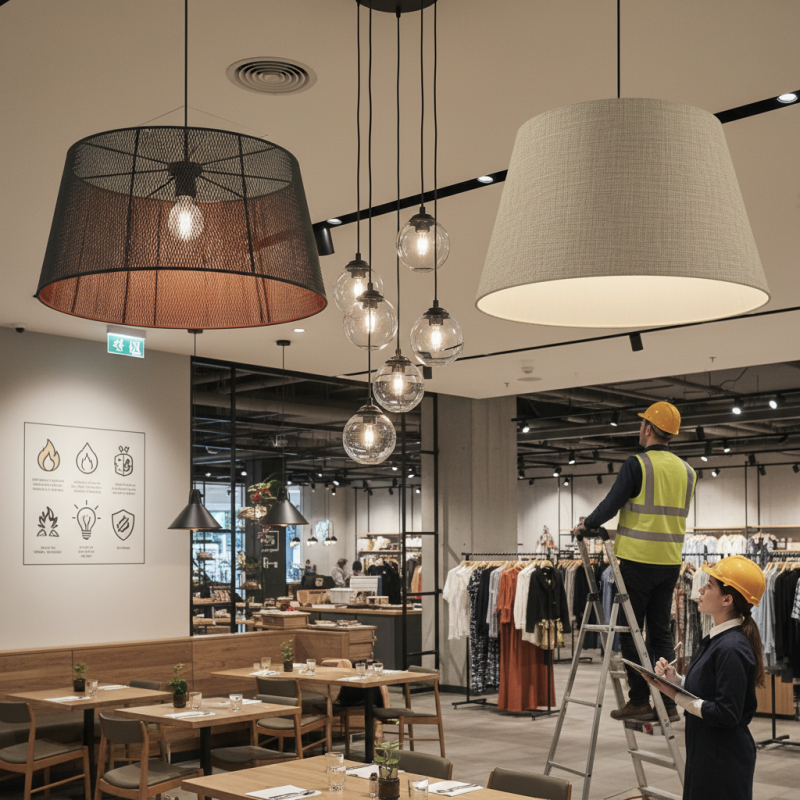
Fire safety regulations play a critical role in the safety of commercial lighting systems. Pendant lights, often used in public spaces, can pose risks if not installed properly. Each pendant light must comply with fire safety codes. These regulations help prevent potential disasters. Ignoring these rules can lead to serious consequences.
Tips for selecting pendant lights include checking for certifications. Look for lights that meet national safety standards. This ensures they are built to withstand heat and potential fire hazards. Consider the materials used in the lights; non-combustible materials are your best bet.
Regular maintenance is essential too. Inspect fittings and wires annually. Any signs of wear or damage must be addressed immediately. Fire safety is not just about installation; it’s about ongoing vigilance. A simple oversight can lead to serious issues. Fire safety must always be taken seriously for everyone’s protection.
Electrical fires can devastate businesses. They cause significant damage and loss. According to statistics, electrical fires account for about 20% of all commercial fires. These fires often start from faulty wiring or overloaded circuits. In a workspace, that can mean unsafe pendant lights contribute to a real risk.
Many businesses overlook fire safety requirements. Installing compliant pendant lights is essential. Regular inspections can catch potential hazards early. Employees should be trained in fire safety protocols. An understanding of fire exits and evacuation plans can save lives. What happens if an employee is unaware of these measures during an emergency? Training is key but often insufficient.
Prevention strategies must be proactive. Simple steps can make a huge difference. Regularly check electrical systems in the workplace. Use appropriate bulbs and fixtures for pendant lights. Be prepared for the unexpected. However, even with measures in place, some fires still occur. Reflecting on past incidents can inform future safety procedures. Adjusting protocols based on lessons learned is vital for improving safety standards.
Pendant lights are popular in commercial spaces. However, they come with fire hazards. Heat accumulation is a primary concern. If these lights are too close to flammable materials, a fire can begin without warning. Common items such as paper and textiles can easily ignite.
Another risk involves electrical issues. Poor wiring or faulty sockets can lead to sparks. These sparks are often enough to start a fire if they come into contact with nearby objects. Regular inspections are necessary to catch these problems before they escalate. Inadequate positioning of pendant lights may also contribute to hazards.
It's essential to consider the installation environment. Are the lights placed in high-traffic areas? Are they located near combustibles? Any oversight could have serious consequences. While pendant lights enhance aesthetics, attention to fire safety must come first. Proper precautions can make a significant difference in protecting lives and property.
In commercial spaces, pendant lights add style and functionality. However, their materials must meet specific fire safety standards. Common materials include metal, glass, and hard plastics. These should be fire-resistant to minimize risks. Each material behaves differently when exposed to heat. Metal might heat up but doesn’t ignite easily. Glass can shatter under extreme conditions. Plastics vary widely in their fire resistance.
Choosing the right materials is essential for durability. Some cheaper options may look appealing but pose risks. A pendant light made from low-quality materials can eventually lead to fire hazards. Owners should conduct regular checks on the fixtures. Not all pendant lights are created equally. Some may lack proper certifications, which could compromise safety.
It’s easy to overlook these details in the design process. Lighting enhances the ambiance but must also ensure safety. Investing in fire-resistant materials is not just a requirement; it’s a responsibility. Regular inspections and proper maintenance are crucial. Ignoring these aspects could lead to dire consequences. Awareness is key. Commercial spaces should prioritize quality and safety in their lighting fixtures.
| Dimension | Standard | Fire Resistance Rating | Material Durability |
|---|---|---|---|
| Heat Resistance | UL 94 | V-0 | High Impact Resistance |
| Flammability | IEC 60335 | Class B | Medium Durability |
| Electrical Safety | ANSI/UL 1598 | N/A | Very High Durability |
| Material Composition | ASTM E84 | Class A | Corrosion Resistant |
| Test Conditions | ISO 9705 | Standard Conditions | Low Maintenance |
Regular fire safety inspections for commercial pendant lights are crucial. These fixtures can pose significant risks if not properly maintained. According to the National Fire Protection Association (NFPA), nearly 50% of commercial fires start due to electrical failures. Failure to inspect lighting systems regularly contributes to these alarming statistics.
Inspection processes should focus on specific areas. Inspect the wiring for signs of wear and tear. Look for loose connections and frayed wires. Also, check lamps and bulbs for proper operation. Regular cleaning of fixtures can prevent dust accumulation, which is a fire hazard. NFPA guidelines recommend conducting inspections at least once every three months. However, many facilities overlook this.
Data from the U.S. Fire Administration shows that nearly 20% of commercial fires involve lighting sources. Ignoring routine inspections leads to missed opportunities for identifying hazards. Facility managers should implement a detailed checklist for inspections. Consistent training for staff is essential, yet often neglected. Regular reminders can help maintain focus on fire safety practices.
: They help prevent disasters related to improperly installed lights. Compliance ensures safety in public spaces.
Look for safety certifications. Ensure they meet national safety standards to handle heat effectively.
Non-combustible materials are preferred. They reduce the risk of fire hazards.
Inspect fittings and wires annually. Regular maintenance is crucial for ongoing safety.
Heat accumulation near flammable materials is a main concern. Poor wiring can lead to sparks.
Offer clear training sessions on fire exits and protocols. Knowledge can save lives during emergencies.
Conduct regular checks on electrical systems. Use the right bulbs and fixtures for safety.
Yes, even with precautions, fires may still happen. Reflecting on past incidents helps improve safety.
Consider if lights are near combustibles or in high-traffic areas. Placement impacts fire risk.
It can lead to serious injuries or damage. Vigilance is key to ensuring everyone’s protection.
Fire safety requirements for commercial pendant lights are crucial for ensuring the safety and well-being of both customers and employees. These regulations encompass various aspects, including the importance of adhering to fire safety standards to mitigate the risks associated with electrical fires, which can have devastating impacts on businesses. Statistically, many companies face significant financial and operational losses due to fire incidents, emphasizing the necessity for effective prevention strategies.
Common fire hazards linked to pendant lights in commercial spaces often stem from inadequate material standards and improper installation. Ensuring that pendant lights meet fire resistance and durability criteria is essential for minimizing risk. Furthermore, implementing best practices for regular fire safety inspections can help identify potential hazards before they escalate. By understanding and adhering to fire safety requirements for commercial pendant lights, businesses can foster a safer environment and enhance operational stability.
Trandic Light