As the upcoming 139th Canton Fair approaches, the importance of selecting the right lighting for art galleries cannot be overstated. "CRI 90 Art Gallery Lighting is essential for showcasing colors accurately," says renowned lighting expert Dr. Robert Kane. His insights emphasize how critical lighting quality is in enhancing the viewer's experience in an art gallery setting.
At the fair, with a focus on advanced manufacturing and quality home decor, it becomes clear that proper lighting can significantly impact a gallery's appeal. CRI 90 ensures that every hue and shade stands out, captivating potential buyers. However, many exhibitors overlook this detail, sometimes opting for cheaper alternatives that fail to do justice to the artwork displayed.
Navigating through the expansive 1.55 million square meters of the fair can be overwhelming. Yet, equipped with AI smart navigation features, buyers can now pinpoint the best art galleries that utilize superior lighting. Reflecting on the past experiences, some exhibitions struggled due to improper lighting choices, leaving potential customers unimpressed. It’s a stark reminder to prioritize CRI 90 Art Gallery Lighting for a successful showcasing.
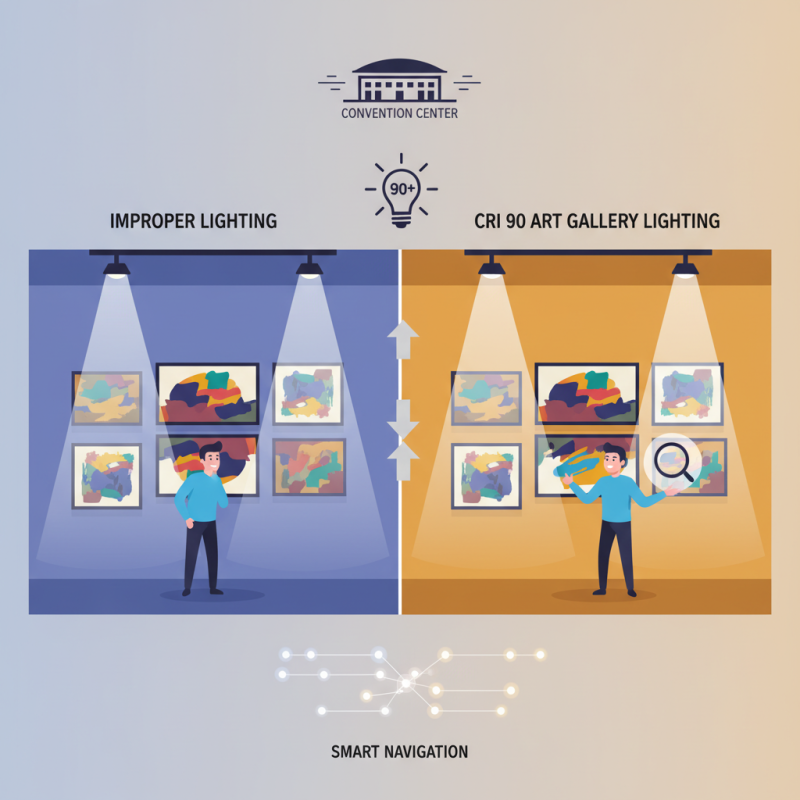
Understanding Color Rendering Index (CRI) is essential for art gallery lighting. CRI measures how true colors appear under a light source. A CRI of 90 or above is ideal for displaying art. This level accurately showcases colors, enhancing the viewer's experience. In a gallery, the right lighting reveals details. It transforms a simple painting into an immersive experience.
Consider the mood you want to create. CRI 90 lighting highlights hues without distortion. It makes reds vibrant and blues calming. However, achieving this balance can be challenging. Not every bulb labeled as CRI 90 delivers the same results. Some may lack the warmth needed for certain artworks. Experimenting with different fixtures can yield surprising outcomes.
Using gels or filters may also help. They can alter the light's temperature and enhance the artwork's appeal. But there's a risk of overcomplicating the setup. Too many adjustments might detract from the art itself. Maintain simplicity while ensuring quality. Reflect on how each light source affects the pieces displayed. The right choice captures the essence of the work.
| Lighting Type | CRI Rating | Color Temperature (K) | Lumen Output | Ideal Use Case |
|---|---|---|---|---|
| LED Spotlight | 90 | 3000 | 800 | Highlighting Artwork |
| Track Lighting | 90 | 4000 | 1200 | Versatile Display Areas |
| Recessed Lighting | 90 | 3500 | 600 | General Lighting |
| Wall Washers | 90 | 2700 | 1000 | Creating Ambiance |
: CRI 90 lighting enhances color vibrancy, ensuring artworks appear true to life. It showcases each piece effectively.
Factor in the design, angle, and placement of lights. Shadows can detract from the artwork's appeal.
Natural light tones make colors pop. This transforms an exhibit into a visually stunning narrative.
While energy-efficient, LEDs can sometimes create harsh glare, which may harm the natural qualities of artwork.
Halogen lights provide a warm glow but generate heat. This heat can harm delicate pieces over time.
Fluorescent lights can alter art’s appearance due to lower CRI, despite providing even brightness and energy efficiency.
Experiment with different setups. Test how artworks interact with light and adjust brightness as needed.
Overlighting can wash out colors. Sometimes, less is more for better visual impact.
Too bright or too dim can create an unpleasant experience. Proper testing is essential for balance.
Mind the overall flow of light. Ensure visitors can explore each piece without distractions or harsh lighting.
To effectively choose CRI 90 Art Gallery Lighting for the Canton Fair, it's essential to understand the significance of Color Rendering Index (CRI) in showcasing artworks accurately. CRI 90 lighting ensures that colors appear natural and vibrant, enhancing the viewer's experience. Evaluating the ideal lighting conditions is crucial, as it involves considering factors such as brightness, color temperature, and the specific characteristics of the artwork on display.
When selecting CRI 90 lighting, key elements include the type of lighting technology, such as LED or fluorescent options, and their suitability for creating a visually appealing environment. A comparative analysis of different lighting technologies can help in making informed decisions. Lastly, implementing effective lighting strategies at the Canton Fair will not only highlight the exhibits but also attract potential buyers, making it an essential aspect of a successful presentation.

 Trandic Light