Top 10 Reasons Brass and Marble Define Light Luxury

Time:2026-11-04 Author:Amelia
0%

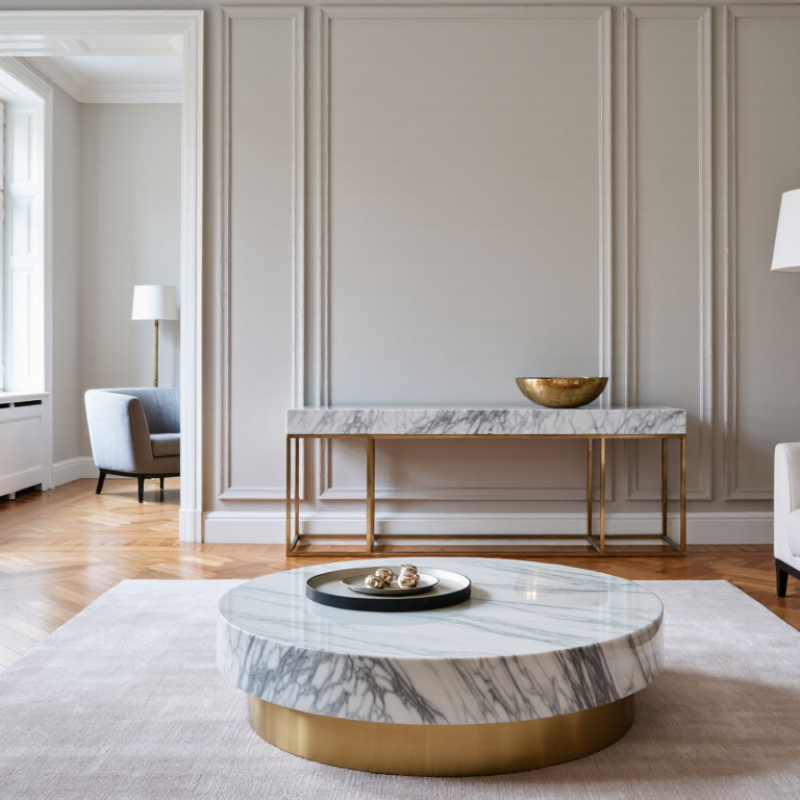
Why is brass and marble the preferred combo for light luxury style? Because the materials balance warmth with restraint. Brass catches light, while marble cools the palette with fine veins and natural variation. Together, they create contrast without demanding bold color or heavy ornament. The effect feels polished, yet potentially livable. The contrast is immediate.

Interior designer Nate Berkus has said, “Your home should tell the story of who you are, and be a collection of what you love.” His idea offers a useful lens for this pairing, though it is not a specific endorsement of brass and marble. A brushed-brass handle beside a pale marble counter can make a kitchen feel considered without looking formal. In a living room, a slim brass lamp can warm the cool surface of a marble side table. Small details matter. So does proportion: oversized brass fixtures or heavily veined stone can overwhelm a modest room.

This introduction leads into ten reasons the materials suit light luxury, from tactile contrast and lasting visual appeal to their ability to complement restrained palettes. It also considers practical choices, such as finishes that show fingerprints and stone that needs attentive care. Not too precious. Brass can tarnish, and marble is not carefree; the pairing works best when its maintenance fits the household. There is no universal formula. A little imperfection may even make the room feel more personal.
Top 10 Reasons Brass and Marble Define Light Luxury

What Light Luxury Means in Interior Design

Light luxury is not a strict decorating formula. It describes a calm, refined interior that feels considered without looking overly formal. Instead of filling a room with expensive-looking objects, focus on balanced proportions, tactile materials, and useful details. The atmosphere should feel comfortable, not like a showroom. Small choices matter.

Brass and marble can support this balance when used with care. A slim brass handle or lamp base adds a warm glint against pale walls. Marble brings natural pattern and a cool, solid feel to a tabletop or backsplash. Its veining is never perfectly uniform, which gives a room character. Yet restraint matters. Too much polished metal can feel flashy, while busy stone may compete with other surfaces. In practical planning, also consider upkeep: some marble can stain or etch, so sealing and prompt cleaning may be needed. Not every mark disappears.

Tips: Choose one or two brass accents, then repeat them subtly. Pair patterned marble with quieter fabrics and wood. View material samples in both daylight and evening light; colors can shift. Leave some surfaces open. Light luxury can be imperfect, and that is part of its appeal. A room should suit daily life, not just photographs.

The Distinctive Qualities of Brass and Marble

Brass gives a room a warm, changing glint. On a cabinet pull, brushed brass softens reflected light; on a lamp stem, polished brass creates a sharper highlight. The Copper Development Association describes brass as a copper-zinc alloy, with composition affecting its color and hardness. That variation matters. The U.S. Geological Survey’s Mineral Commodity Summaries 2024 reports that recycled scrap supplied about 35% of U.S. copper supply in 2023. This figure covers copper overall, not brass specifically.

Marble works differently. Fine veining gives broad surfaces visual movement, while the stone’s cool touch and weight ground a vanity top or side table. USGS dimension-stone reporting tracks marble alongside other building stones; the category includes materials with different properties. Calcite-rich marble can react to acids, so lemon juice or harsh cleaners may etch a polished surface. A honed finish reduces glare, but not every mark.

The contrast shows in small details: a thin brass edge beside pale marble, or a brass knob against dark veining. Keep proportions restrained; too much shine can feel staged. I still find brass patina difficult to predict, especially where hands touch it daily. That is not a defect for everyone. It is a maintenance choice, and a finish sample may age differently from a full installation.

How Brass and Marble Create Balanced Contrast

Brass and marble balance each other through differences in color, texture, and light. A brushed brass tap brings warmth to a cool marble vanity, while the stone’s fine veining softens the metal’s crisp edges. The contrast works best when each material has room to breathe. Think one brass-framed mirror, not brass on every surface. Keep it restrained. Houzz’s 2024 U.S. Kitchen Trends Study found that 76% of renovating homeowners upgraded their countertops. That figure doesn’t show a preference for marble, but it does underline how much surface choices shape a room’s character.

Light changes the pairing. Under warm, layered lighting, brass reads golden and marble’s veining gains depth; harsh overhead light can make both look flat. Try a small sample beside the actual fixture and view it in morning and evening light. A polished stone may reflect brass beautifully, but fingerprints and glare can become distracting. Honed marble often feels calmer, though it can show marks differently. There is no perfect finish. In a compact bathroom, a narrow brass edge against pale marble can add definition without making the space feel busy. In a larger room, darker veining may need quieter metalwork to preserve balance.

Why These Materials Elevate Everyday Spaces

Brass and marble can make ordinary rooms feel considered without demanding a complete redesign. A small brass wall light beside a pale marble shelf adds warmth to a narrow entry. Even a bathroom feels calmer when a cool stone counter meets the soft reflection of metal. The contrast is tactile, too: brushed brass feels warm, while marble carries fine veins and a cool touch. Not just decoration. A tray for keys, a lamp base, or a cabinet pull brings these materials into daily routines. Small details matter.

Brass and marble need sensible care. Unlacquered brass may darken over time, and its uneven patina can look lived-in rather than neglected. Marble can etch when acidic spills sit, so wipe citrus or vinegar promptly and use coasters. A suitable sealer may help resist stains, but it does not make stone spill-proof. For busy homes, keep marble on a small surface instead of using it on every countertop. I would not chase perfect symmetry; a slightly worn edge can feel more welcoming. These materials elevate a space most when their beauty fits real use, not when they become untouchable display pieces.

Top 10 Reasons Brass and Marble Define Light Luxury — Why These Materials Elevate Everyday Spaces

A comparison of typical material density ranges, one measurable clue to the substantial feel these materials bring to interiors.

Typical reference ranges: brass, 8.4–8.7 g/cm³; marble, 2.6–2.8 g/cm³. Actual values vary with brass alloy and stone composition. Density is a physical property, not a measure of luxury or quality.

10 design reasons these materials feel special

Warm metallic color; reflective highlights; distinctive natural veining; tactile contrast; a pleasing balance of shine and matte surfaces; visual depth; enduring design appeal; compatibility with wood and textiles; the ability to make small details stand out; and a sense of considered craftsmanship. These are design observations, not survey results.

Design Principles for Using Brass and Marble Together

Brass and marble work best when each has a clear role. Let marble provide the quiet field, then use brass as a precise accent: a slim cabinet pull, narrow table edge, or shaded wall light. Keep the brass finish consistent across nearby fittings. Aged brass beside polished brass can feel accidental, unless the contrast is deliberate. Small doses work.

Light matters. Cream marble can turn yellow beside warm bulbs, while gray veining may look cold under them. Test full-size samples beside the actual flooring and paint, in both daylight and evening light.

Houzz’s 2024 U.S. Houzz & Home Study reported median renovation spending of $24,000 in 2023; that investment makes sample testing a modest safeguard, not needless fuss. The U.S. Geological Survey’s Mineral Commodity Summaries 2025 estimated world copper mine production at 23 million metric tons in 2024. Copper is a main constituent of brass, but that figure does not guarantee a particular product’s recycled content or durability.

Ask suppliers for finish-care guidance and stone sealing requirements. A polished slab may impress in a showroom, yet fingerprints and etching can frustrate daily use. Choose a honed surface where touch and maintenance matter more than shine.

Light luxury can tolerate a little imperfection. It should still feel intentional.

FAQS

What does light luxury mean in interior design?

It is a calm, refined style built around balanced proportions, tactile materials, and useful details. It should feel comfortable, not like a showroom.

How can brass add warmth to a room?

Try a slim brass handle or lamp base against pale walls. Small accents work.

How should marble be used without making a room feel busy?

Pair veined marble with quiet fabrics and wood. Leave nearby surfaces open so the pattern has room to stand out.

Can marble be difficult to maintain?

Yes. Some marble can stain or etch, especially after contact with acidic liquids. Clean spills promptly; some marks may remain.

What is the difference between brushed and polished brass?

Brushed brass gives a softer glint, while polished brass creates sharper highlights. Both finishes can change with age and use.

How can I check material colors before choosing them?

View samples in daylight and evening light. Colors can shift, and a small sample may not show how a full installation will look.

Does a honed marble finish prevent marks?

No. It reduces glare, but it does not prevent every mark or surface reaction.

Is brass patina something to worry about?

It depends on your preference. Patina can develop unevenly, especially where hands touch brass often. I still find it hard to predict.

Conclusion

Light luxury in interior design is defined by understated elegance, thoughtful details, and materials that feel refined without appearing excessive. Brass brings warmth, a subtle glow, and finely crafted accents, while marble adds natural pattern, coolness, and a sense of permanence. Together, their different qualities create a balanced contrast: brass softens marble’s crisp surface, and marble gives brass a calm, grounded backdrop. Why is brass and marble the preferred combo for light luxury style? Their distinctive textures and tones make a space feel elevated while preserving a welcoming, livable atmosphere.

These materials can enrich everyday spaces through carefully chosen details, from lighting and hardware to tabletops and decorative surfaces. For a harmonious result, use each with intention, consider how warm metallic tones relate to the room’s palette, and allow marble’s natural veining to remain visible. Balanced proportions and restrained accents help brass and marble complement one another, creating interiors that feel polished, comfortable, and enduring rather than overly ornate.

Amelia

Amelia

Amelia is a seasoned marketing professional with a wealth of expertise in our company’s core offerings. With an unwavering passion for driving growth and innovation, she plays a pivotal role in shaping our marketing strategies and enhancing brand visibility. A key aspect of her responsibilities......