How to Balance Natural Light and Artificial Light in Sales Centers?

Time:2026-05-11 Author:Mason
0%

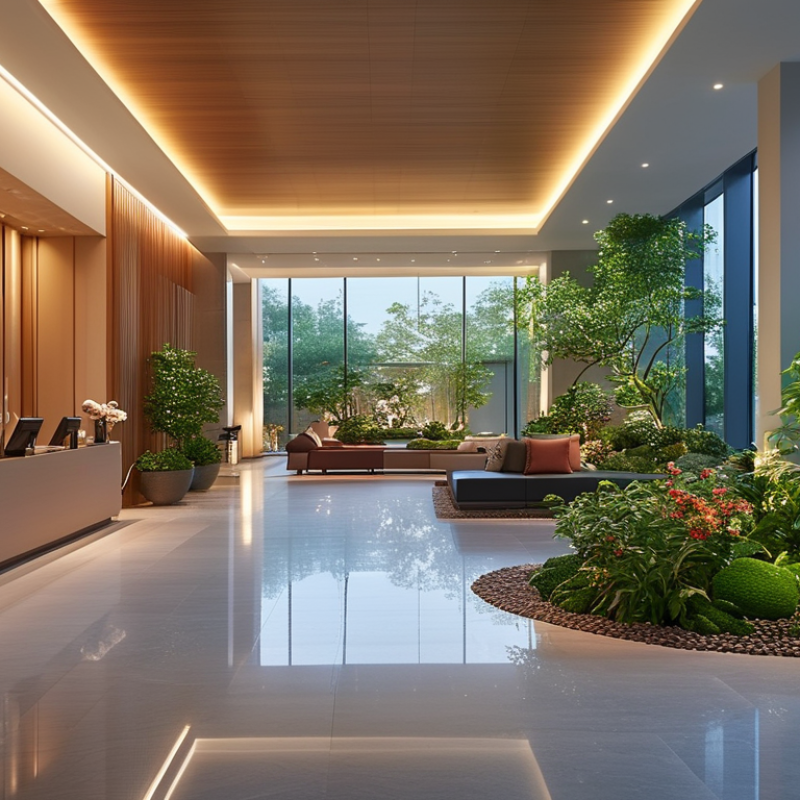
Effective lighting is critical in sales centers. It sets the mood, influences decisions, and enhances visibility. An expert in this field, Dr. Linda Harrison, states, "The right combination of natural and artificial light can transform a space into a selling powerhouse." This highlights the importance of understanding how to balance natural light and artificial light in a sales center.

Balancing these two light sources is not always straightforward. Too much natural light can create glare, while insufficient artificial lighting can lead to a gloomy environment. Finding the right mix requires careful consideration, testing, and adjustments. Every space is unique, and what works in one may not work in another. For instance, large windows might look appealing but could lead to uncomfortable brightness at peak sun hours.

Reflecting on these challenges can enhance decision-making. A sales center’s ambiance is vital; therefore, it is essential to create an inviting atmosphere without compromising functionality. As we explore strategies for achieving the perfect balance, we must remain open to feedback and continuously reevaluate our approaches. It's a dynamic process that evolves with time, reflecting the needs of both the space and its occupants.

How to Balance Natural Light and Artificial Light in Sales Centers?

Understanding the Importance of Light Balance in Sales Centers

Natural light plays a crucial role in creating an inviting atmosphere in sales centers. The soft glow of sunlight can enhance the interior, making spaces feel larger and more welcoming. However, natural light alone often fails to provide adequate illumination. Shadows can obscure details, making products less appealing. It’s essential to find a balance between the two.

Artificial light complements natural light effectively. It can fill in gaps during dim hours or create focus on specific areas. Warm lighting can evoke comfort, while cooler tones can energize a space. Combining both types is vital for a well-rounded experience. Poor lighting choices can detract from the overall aesthetic. Overhead fluorescents may feel harsh, while too many shadows can obscure important features.

Understanding how light influences mood and perception is key. Experimentation may be necessary to find the ideal mix. Adjustments in the layout or light fixtures can enhance the overall ambiance. Observe how changes affect customer interaction. This ongoing process ensures the sales center remains appealing and effective.

Identifying Natural Light Sources within Sales Center Designs

Natural light plays a crucial role in sales centers. It influences customer mood and behavior. Identifying natural light sources is vital in design. Large windows and skylights can enhance the appeal. Think about the orientation of the building. South-facing windows offer abundant sunlight.

Consider obstacles that might block the light, like nearby structures or trees. It’s also essential to balance this light with artificial sources. Relying solely on natural light might not be practical for evening or cloudy days. Using softer artificial lights can create a welcoming atmosphere.

Assessing how light changes throughout the day is important. Morning sun differs from afternoon glow. Over time, designers must reflect on the effectiveness of their choices. Are the spaces too bright or too dim? Listening to feedback can help refine designs. Balancing both light types is an ongoing process, and any sales center can improve with thoughtful adjustments.

Choosing Appropriate Artificial Lighting Solutions for Sales Centers

When selecting artificial lighting solutions for sales centers, understanding the space is crucial. Different areas may require various lighting types. For instance, product display zones benefit from focused lighting, highlighting key features. In contrast, waiting areas should incorporate softer, ambient lighting. This approach creates a welcoming atmosphere for potential clients.

It's essential to consider the color temperature of lights. Warmer tones often evoke comfort and trust. However, too warm can dull the visual appeal of products. Finding the right balance can be tricky. Experimenting with different hue combinations may lead to unexpected outcomes. Monitoring how customers react to these lighting choices provides valuable insights.

Costs also play a significant role in the decision. Investing in high-quality fixtures initially might seem excessive. However, energy-efficient lights can reduce bills over time. Yet, it’s a challenge to predict the longevity of various lighting options. Constantly reassessing the performance and suitability of the chosen lighting strategy ensures the sales center remains inviting and vibrant.

Balancing Natural Light and Artificial Light in Sales Centers

This chart illustrates the ideal balance between natural light and various types of artificial lighting solutions in sales centers. The goal is to create an inviting and comfortable environment that enhances product visibility and customer experience.

Techniques for Integrating Natural and Artificial Lighting Effectively

Natural and artificial light play a crucial role in a sales center’s ambiance. Achieving the right balance enhances customer experience. The integration of these lights requires thoughtfulness. Natural light creates a welcoming atmosphere. However, it can change throughout the day, affecting visibility. Artificial light fills gaps, ensuring consistency.

When blending both types of lighting, consider the space’s function. For example, use soft, diffused artificial light in relaxation areas. This complements the bright natural light in more energetic spaces. Avoid harsh contrasts. It might create a jarring feel that distracts customers. Instead, aim for harmony.

Tips:

  1. Use dimmers on artificial lights to adjust brightness as natural light shifts.
  2. Use strategically placed mirrors to enhance natural light reflection.
  3. Pay attention to the colors used in lighting. Warmer lights complement daylight effectively.

Reflection on your lighting choices is essential. Not every outcome is perfect. Some combinations may not work as intended. Testing different setups is necessary. Gathering feedback can provide insights into what lighting works best. Adapt to create a welcoming space that resonates with customers.

Evaluating the Impact of Light Balance on Customer Experience and Sales

The balance between natural and artificial light in sales centers can significantly impact customer experience. Natural light creates an inviting atmosphere, enhancing mood and encouraging visitors to stay longer. Conversely, poorly placed artificial lighting can lead to discomfort. It's essential to evaluate how lighting affects the ambiance and customer behavior in these spaces.

Consider how the time of day influences light quality. Morning sunlight floods in, creating warmth and energy. As the day progresses and the light fades, relying solely on artificial sources might create a stark contrast. This may overwhelm customers and make the environment feel artificial. It's crucial to strike a balance that sustains a welcoming feel throughout the day.

Lighting should also enhance product displays without overshadowing them. Spotlights can highlight specific items, while softer ambient light provides a comfortable overall glow. However, excessive brightness can inadvertently distract from products. Regular assessments and adjustments to lighting setups can help ensure that customers feel at ease and engaged. Taking these factors into account can lead to better sales outcomes and improved customer satisfaction.

FAQS

: Why is natural light important in sales centers?

: Natural light creates an inviting atmosphere, making spaces feel larger and more welcoming.

How does artificial light complement natural light?

Artificial light fills gaps during dim hours and focuses on specific areas, enhancing the overall experience.

What issues can arise from poor lighting choices?

Harsh overhead fluorescents or excessive shadows can make products less appealing and detract from aesthetics.

How can lighting affect customer mood and perception?

The right mix of lighting can enhance mood, while poor lighting may lead to negative customer experiences.

What types of artificial lighting are best for product displays?

Product display zones benefit from focused lighting to highlight key features clearly and attractively.

How should waiting areas be lit for customer comfort?

Soft, ambient lighting in waiting areas creates a welcoming atmosphere for potential clients.

Why is color temperature important in lighting choices?

Warmer tones evoke comfort, but too warm can dull product visuals. Finding the right balance is essential.

What should be considered when integrating natural and artificial lighting?

Consider the function of the space. Use soft lighting in relaxation areas and avoid harsh contrasts.

How can feedback improve lighting strategies?

Gathering customer feedback helps identify effective lighting combinations and adjustments for a better experience.

What should be remembered about lighting decisions?

Not every lighting choice will be perfect. Testing and reflection are necessary for improvement.

Conclusion

In the quest to answer the question of "How to balance natural light and artificial light in a sales center?", it is essential to first recognize the pivotal role that light plays in influencing customer perception and decision-making. Achieving the right balance not only enhances aesthetic appeal but also boosts the overall customer experience and, consequently, sales performance. Identifying natural light sources within the sales center design is crucial, as they can create a welcoming atmosphere and promote a sense of comfort.

Choosing appropriate artificial lighting solutions involves selecting fixtures that complement natural light while effectively illuminating key areas and products. Techniques such as layering light, using dimmers, and strategically placing fixtures can facilitate a harmonious integration of both light types. Evaluating the impact of this balance on customers—by observing their reactions and engagement—can provide valuable insights, ensuring that the sales center maximizes its potential for attracting and retaining customers.

Mason

Mason

Mason is a seasoned marketing professional with a deep expertise in the company's offerings and a passion for driving brand awareness. With a strong background in digital marketing strategies, he has an innate ability to connect with diverse audiences and effectively communicate product benefits.......