10 Tips to Avoid Common Luxury Villa Lighting Mistakes

Time:2026-11-18 Author:Henry
0%

Luxury villa lighting should reveal architecture, not compete with it. Yet costly finishes cannot compensate for poorly placed fixtures, harsh glare, or rooms that feel flat after sunset. What are the common lighting mistakes in luxury villa design? The answer often begins with treating lighting as decoration rather than part of the architectural plan.

The U.S. Department of Energy reports that LED lighting uses at least 75% less energy than incandescent lighting. It can also last up to 25 times longer. These figures make efficient sources compelling, but efficiency alone does not create comfort. A bright ceiling grid may still wash out a textured stone wall or leave a reading chair in shadow. Architect Le Corbusier famously wrote, “Architecture is the learned game, correct and magnificent, of forms assembled in the light.” That idea remains useful: light shapes how materials, proportions, and daily routines are experienced.

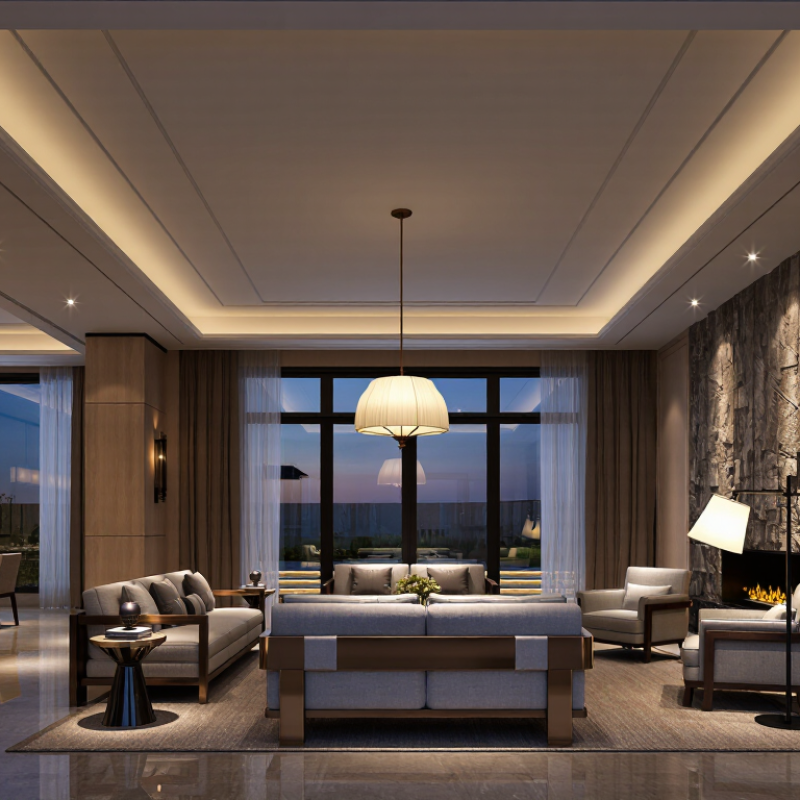
Common missteps include relying on one central fixture, overlooking dimming, choosing mismatched color temperatures, and failing to plan for artwork, task areas, or outdoor transitions. Small details matter. A mirror can expose glare; a low pendant can interrupt a sightline; a warm lamp beside a cool ceiling source can make a room feel unintentionally uneven. Still, no checklist replaces an evening walkthrough. Mock-ups and on-site adjustments may reveal problems that drawings miss. The following ten tips focus on practical choices that help villa lighting feel layered, calm, and suited to real use—not merely impressive in a daytime rendering.
10 Tips to Avoid Common Luxury Villa Lighting Mistakes

Assess the Villa’s Layout, Activities, and Natural Light

A villa’s lighting plan should begin with its floor plan and daily rhythm, not a fixture catalogue. Mark where guests read, cook, dine, swim, and move after dark. Map the day. Track morning sun across bedroom windows, then note where afternoon glare lands on glossy floors or a television. A bright terrace may need little help at noon, while its steps need clear, low-glare light after sunset. Keep circulation lighting distinct from task and decorative lighting, so one scene does not have to serve every activity.

Natural light changes by season, window direction, and surrounding trees. Visit key rooms at different hours; a single midday walkthrough can hide a dim reading corner or harsh western sun. The International Energy Agency’s 2023 buildings report estimates that buildings use about 30% of global energy, making thoughtful controls relevant to efficiency as well as comfort. The U.S. Department of Energy notes that LEDs use at least 75% less energy than incandescent lighting. That does not make every LED placement successful. Then test it. Dim each zone at night, check reflections from seated eye level, and adjust before finishes are fixed. Even careful plans can miss a late-afternoon glare patch. That is worth admitting—and correcting.

Build a Balanced Plan for Ambient, Task, and Accent Lighting

10 Tips to Avoid Common Luxury Villa Lighting Mistakes

Build a balanced plan before choosing decorative fixtures. Ambient lighting should make a villa feel comfortably usable, not like a hotel lobby at noon. Combine recessed ceiling lights with indirect cove lighting, then add dimmers for changing daylight and evening moods. Keep the glow gentle. A low-lit corridor can feel inviting; a dim stair landing can feel unsafe.

Tip: Give each activity its own light. Use focused, glare-controlled fixtures above kitchen counters, adjustable reading lights beside beds, and even illumination around bathroom mirrors. Then add accent lighting to reveal texture: a soft beam across stone, a low-level wash along a garden wall, or a narrow spotlight on artwork. Avoid aiming bright fixtures straight at glossy surfaces. Reflections can undo an otherwise polished room.

The U.S. Department of Energy’s Energy Saver guidance estimates that lighting accounts for about 15% of average household electricity use; it also says an average household can save about $225 annually by switching to LEDs. Actual savings vary with usage and electricity rates.

Use efficient lamps, but don’t let efficiency dictate every decision. Too much happens. Mock up one room at night, notice dark corners and harsh reflections, then revise the plan before repeating it throughout the villa.

Choose Fixtures, Brightness, and Color Temperatures with Care

10 Tips to Avoid Common Luxury Villa Lighting Mistakes

Choose Fixtures, Brightness, and Color Temperatures with Care

In a villa, a dramatic chandelier can dominate a room while leaving the dining table dim. Choose fixtures for both scale and useful light. Check the manufacturer’s lumen output, beam spread, and recommended mounting height before ordering. Watts measure energy use, not brightness. For reading nooks, kitchen counters, and artwork, plan separate light layers rather than asking one ceiling fixture to do everything. The Illuminating Engineering Society’s recommendations vary by visual task, so a single brightness target rarely suits an entire room. Test samples in place. Stone, timber, and pale fabrics can all look different under evening light.

Color temperature deserves the same care. The U.S. Department of Energy groups warm-white LEDs around 2700–3000 kelvin and cool-white options around 3500–4100 kelvin. A warm setting often flatters timber and bedrooms; cooler light may help detailed kitchen work. Avoid mixing temperatures in connected sightlines unless the contrast is deliberate. Dimmers help, but only when paired with compatible lamps and controls. Check this before installation. The DOE reports that residential LEDs use at least 75 percent less energy than incandescent lighting and can last up to 25 times longer. Efficiency is useful, but it does not guarantee comfort. A showroom sample can mislead; review a full-size mock-up at night, then adjust brightness and color after seeing it against the actual finishes.

Prevent Glare and Light Spill in Indoor and Outdoor Areas

Glare can make a beautiful villa uncomfortable. It often comes from exposed bulbs, shiny floors, or fixtures aimed too close to eye level. Use shaded fittings and indirect light where people sit, read, or dine. Keep task lighting focused on the surface, not across a guest’s line of sight. Test it from a chair. The view changes.

Indoors, glossy stone and large windows can bounce light into unexpected corners. Choose softer, dimmable sources, then adjust them after dark. A warm setting may feel calmer, but it will not fix a poorly aimed beam. Even careful plans miss reflections. Move a lamp or change its angle before adding more fixtures; extra brightness can deepen the problem.

Outside, shield lights and aim them down toward paths, steps, and planting. Avoid sending beams toward bedroom windows, terraces, or the night sky. Lower output is often enough for safe movement. Use separate controls for different areas, and set timers so garden lights do not stay on all night. Walk the property after sunset and check from inside the rooms, too. One overlooked spotlight can wash across a window. That is easy to miss on a daytime plan.

10 Tips to Avoid Common Luxury Villa Lighting Mistakes

Typical illuminance planning ranges can help balance visibility and comfort: use lower levels for ambient and pathway lighting, and brighter, focused light for kitchen tasks. Shield outdoor fixtures and aim them downward to reduce glare and light spill. Actual needs vary by layout, finishes, and local guidance.

Coordinate Controls, Installation, and Maintenance Early

Luxury villa lighting works best when controls, wiring, and maintenance are planned together—not as separate finishing tasks. Map each room’s scenes before installation: a reading lamp needs a different setting from a dining table or a softly lit stone corridor. Confirm that dimmers, drivers, and lamps are compatible; otherwise, low settings may flicker or fail. Small detail. Label circuit boards and control zones clearly, so staff can find the right switch without trial and error.

The International Energy Agency reports that lighting accounts for about 15% of global electricity use and 5% of greenhouse gas emissions. The U.S. Department of Energy says LEDs use at least 75% less energy and last up to 25 times longer than incandescent lighting.

These figures support efficient choices, but they do not remove the need for upkeep. Provide access to drivers, sensors, and junction points before ceilings are closed. Record lamp types, settings, and replacement dates in a simple maintenance log. A beautiful recessed fitting can still become a headache when its driver is buried above a custom ceiling. And scenes should be tested at night, with actual furniture in place; daylight mock-ups can be misleading. One uncomfortable truth: the control plan may need revision after the family uses the rooms.

FAQS

Why should a villa lighting plan start with the floor plan?

Map where people read, cook, dine, and walk after dark. A chandelier cannot serve every activity well.

How can natural light affect fixture placement?

Visit rooms at different times. Morning sun may brighten a bedroom, while afternoon glare can hit a television or glossy floor.

How should I choose brightness for different rooms?

Check lumens, beam spread, and mounting height. Add focused light above kitchen counters or beside reading chairs. Watts do not measure brightness.

Which color temperatures suit bedrooms and kitchens?

Warm light, around 2700–3000 kelvin, often suits bedrooms and timber. Cooler light, around 3500–4100 kelvin, may help with detailed kitchen work.

How can I reduce glare indoors?

Use shaded fittings and indirect light near seating. Check reflections from a chair before adding more fixtures. Test it at night.

What helps prevent outdoor light spill?

Shield fixtures and aim them down toward paths, steps, and plants. Check that beams do not reach bedroom windows or the night sky.

Do dimmers always improve comfort?

Not by themselves. Use compatible lamps and controls, then adjust each zone after dark. A showroom sample can still mislead.

How can lighting controls support energy efficiency?

Use separate controls and timers for garden areas. LEDs use at least 75% less energy than incandescent lighting, but placement still matters.

What should I check before finishes are fixed?

Test full-size fixtures in the actual rooms. Look for glare, dim corners, and reflections from seated eye level. Plans can miss things.

Conclusion

A successful luxury villa lighting plan begins with a close look at the layout, daily activities, and the way natural light changes throughout the day. Ask, “What are the common lighting mistakes in luxury villa design?” Often, they include relying on a single type of lighting, overlooking practical needs, or choosing fixtures and color temperatures without considering how they will feel in each space. A balanced mix of ambient, task, and accent lighting can make rooms comfortable, functional, and visually inviting.

Careful placement matters indoors and outdoors: poorly aimed lights can cause glare, while excessive brightness may spill into neighboring areas or disrupt the villa’s atmosphere. Plan controls and dimming options early so lighting can adapt to different activities and moods. Coordinate installation with the overall design, and allow for convenient access to maintain and adjust fixtures over time. Thoughtful decisions at every stage help create a cohesive, comfortable lighting experience.

Henry

Henry

Henry is a dedicated marketing professional with a profound expertise in the company's offerings. With years of experience in the industry, he possesses an impressive understanding of the market dynamics and consumer behaviors that drive success. Henry is committed to sharing his insights through......