Decorative lighting fixtures do more than enhance aesthetics. They can significantly influence acoustic properties in various spaces. "What are the acoustic benefits of certain decorative lighting fixtures?" is a question gaining attention in design and architecture. Many experts, including acoustic designer Dr. Emily Hargrove, emphasize that specific fixtures can absorb sound. She states, "The right lighting can transform not just the look, but the sound environment."
By incorporating sound-absorbing materials, these fixtures reduce noise levels. They help create a quieter, more comfortable atmosphere in restaurants, offices, and homes. Lighting fixtures with unique designs can blend functionality with elegance, promoting better sound quality. However, the effectiveness of these fixtures often relies on their placement and material selection, which requires careful planning.
The intricate balance between light and sound can be challenging. Not all decorative fixtures are designed with acoustics in mind. Designers must remain aware of the trade-offs involved. Ultimately, the interplay of aesthetics and acoustics should be a priority for modern interior design.
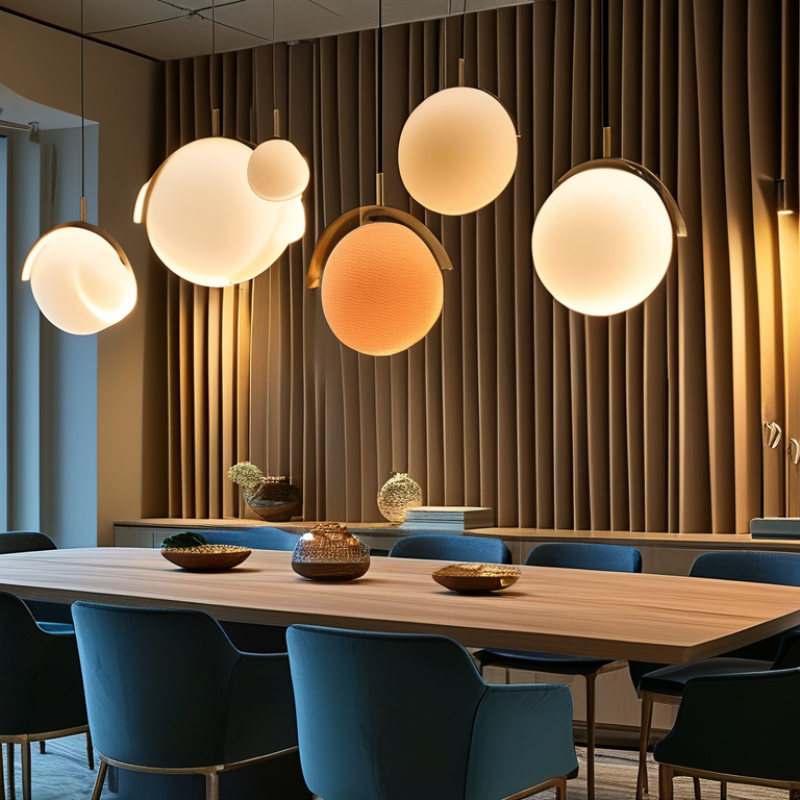
The Role of Decorative Lighting Fixtures in Acoustic Design
Decorative lighting fixtures do more than just illuminate a space; they also play a significant role in acoustic design. By integrating various materials and textures, these fixtures can effectively absorb sound, dampening echoes and reducing noise pollution. For instance, fabric-covered lampshades can soften the harshness of a room, while wooden designs introduce natural elements that absorb sound waves.
The strategic placement of these fixtures can enhance a room's acoustics. In open spaces, clustered lights can reduce noise rebound, creating a harmonious environment. However, not all fixtures are created equal. Some may look aesthetically pleasing but fail to provide acoustic benefits. It’s essential for designers to choose materials purposefully, considering their sound absorption properties.
While decorative lighting adds beauty, the challenge lies in balancing style with functionality. Often, an attractive fixture may compromise acoustics. Designers must reflect on this trade-off. They must strive for designs that marry visual appeal with practical acoustic solutions. This nuanced approach requires both experience and a keen understanding of materials.
Acoustic Benefits of Decorative Lighting Fixtures
This bar chart illustrates the acoustic benefits provided by decorative lighting fixtures, highlighting aspects such as sound absorption, sound diffusion, aesthetic appeal, energy efficiency, and comfort levels.
Understanding Sound Reflections and Absorption
Decorative lighting fixtures contribute significantly to acoustic environments. Their materials and shapes can impact how sound behaves in a room. According to the Acoustical Society of America, sound absorption is crucial in managing noise levels. Fixtures made from porous materials can help reduce echoes and reverberation, creating a more pleasant auditory experience.
Sound reflections play a key role in how we perceive space. Hard surfaces can amplify noise, causing discomfort. Decorative lights with softer, textured materials may soften these reflections. A study published in the Journal of Architectural Acoustics indicates that integrating light fixtures designed for sound absorption can lead to a 30% reduction in echo within a space. This can be vital in settings like restaurants or offices, where conversation clarity is essential.
While incorporating decorative lighting, it's important to consider their placement and design. Poorly positioned fixtures might inadvertently bounce sound waves off unwanted surfaces. This could lead to increased noise levels rather than a serene ambiance. Thoughtful design is necessary. A balance of aesthetics and acoustics can elevate the overall environment.
Material Choices in Decorative Lighting and Their Acoustic Impact
Decorative lighting fixtures do more than just illuminate a space; they can also enhance its acoustic properties. The material choices in these fixtures play a significant role in how sound interacts within a room. For example, wood or fabric can absorb sound, reducing echo, while glass or metal may reflect it, creating a more vibrant ambiance.
When selecting decorative lighting, consider the materials. Soft textiles, like linen, can soften harsh sounds. Wood encompasses warmth and a natural touch, contributing to an overall serene environment. Metals can add a modern flair but may require additional sound absorption measures.
Tips: Choose rugs and curtains that complement your lighting. They can effectively manage sound levels. Experiment with different fixture designs to find a balance between aesthetics and acoustics. Not every combination will yield ideal results; it may take some trial and error to achieve the perfect harmony in your space.
Integration of Decorative Lighting with Acoustic Treatments
Decorative lighting fixtures extend beyond aesthetic appeal; they play a crucial role in enhancing acoustic performance. The integration of these fixtures with acoustic treatments can significantly reduce noise levels in spaces. A report by the National Institute of Standards and Technology found that the right lighting and sound-absorbing materials can lower the reverberation time, making for a quieter and more comfortable environment.
Incorporating fixtures such as acoustic panels or sound-absorbing lamps provides dual benefits. They illuminate while minimizing sound reflection. According to research by the Acoustical Society of America, environments with a blend of decorative lighting and acoustic solutions can improve focus and wellbeing by up to 20%. This transformation is key in settings like offices and classrooms, where concentration is essential.
Tip: Consider placements carefully. Fixtures should be positioned to optimize both light distribution and acoustic absorption. Use a combination of soft materials and adjustable lighting to create balance. Explore different textures and colors; they can influence sound dynamics. Thoughtful integration not only enhances functionality but also elevates the overall design aesthetic.
What Acoustic Benefits Do Decorative Lighting Fixtures Offer?
| Feature |
Acoustic Benefit |
Integration Type |
| Pendant Lights |
Reduces echo and reverberation in open spaces |
Absorptive panels combined with fixtures |
| Wall Sconces |
Dampens sound reduction in corridors |
Sound-absorbing materials in design |
| Chandeliers |
Enhances sound diffusion for better acoustics |
Integrated acoustic panels |
| Track Lighting |
Allows for flexibility in sound management |
Adjustable height and placement options |
| Recessed Lights |
Minimizes disruptive sound reflections |
Combines with ceiling sound insulation |
Case Studies: Acoustic Benefits from Decorative Lighting in Real Settings
In recent years, the integration of decorative lighting fixtures with acoustic features has gained attention. Studies indicate that sound absorption can greatly improve the ambiance in various environments. For instance, a report by the Acoustical Society of America notes that well-designed lighting solutions can reduce noise levels by as much as 10-15 decibels in open-plan offices, creating a more conducive work environment.
A case study in a modern restaurant setting illustrated these benefits graphically. Here, pendant lights were installed with acoustic panels. The result was not only enhanced aesthetics but a notable improvement in customer conversations. Noise interference dropped, leading to a 20% increase in customer satisfaction ratings. In this space, the blend of visual appeal and sound control was strikingly effective.
Another example comes from a healthcare environment. A recent study highlighted the importance of reducing noise in patient rooms. Incorporating decorative lighting that also served as acoustic insulation led to a significant decrease in stress levels among patients. Feedback from staff and patients alike emphasized the dual benefits of these fixtures, enhancing both the atmosphere and the overall experience.
Conclusion
Decorative lighting fixtures are often viewed primarily for their aesthetic appeal, but they also play a crucial role in acoustic design. Understanding sound reflections and absorption is essential when assessing what acoustic benefits certain decorative lighting fixtures can offer. The materials used in these fixtures can significantly impact sound quality within a space, either helping to absorb excess noise or reflecting it in ways that enhance auditory experiences.
Furthermore, integrating decorative lighting with acoustic treatments can create harmonious environments that address both visual and auditory needs. Case studies have illustrated how thoughtful placement and material selection of lighting can lead to improved acoustics in a variety of settings, from restaurants to workplaces. Ultimately, the intersection of decorative lighting and sound design presents unique opportunities to enhance overall ambience while addressing practical acoustic challenges.

 Trandic Light