How to Use Accent Lighting to Showcase Art in Your Clubhouse?

Time:2026-06-25 Author:Oliver
0%

Accent lighting is a powerful tool in enhancing the visual appeal of artwork in clubhouses. According to recent industry reports, effective lighting can increase viewer engagement with art pieces by as much as 30%. However, many clubhouses overlook this essential aspect. It's critical to understand how to use accent lighting to highlight artwork in a clubhouse.

Properly executed accent lighting directs focus to artworks, creating a mesmerizing atmosphere that encourages conversations. Studies indicate that the emotional response to art can significantly increase when illuminated correctly. A staggering 70% of art galleries employ specific lighting techniques to enhance their exhibits effectively.

However, the implementation of accent lighting is often inconsistent. Clubhouses sometimes face challenges, such as understanding the color temperature needed or the placement of fixtures. Reflections and shadows can detract from the artwork's intended effect. Therefore, it's essential to consider these factors while planning the lighting.
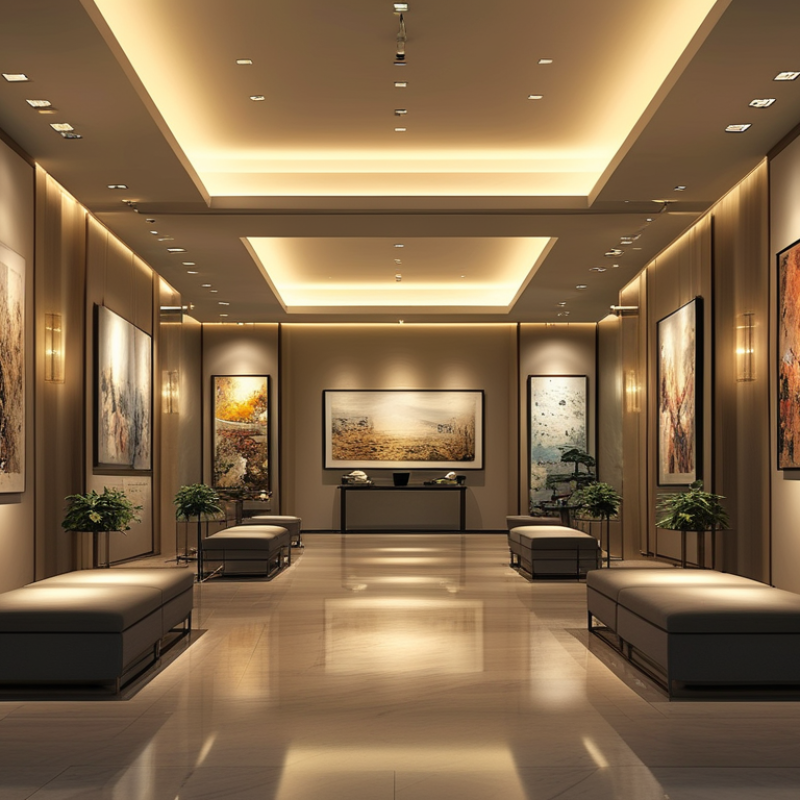
How to Use Accent Lighting to Showcase Art in Your Clubhouse?

Understanding Accent Lighting and Its Importance in Art Display

Accent lighting plays a crucial role in showcasing art effectively. This type of lighting highlights specific pieces, drawing attention to their details and colors. Proper accent lighting can transform a simple art display into a captivating focal point. The right intensity and direction of light can create depth and texture, enhancing the viewer's experience.

When planning your accent lighting strategy, consider light placement. Position lights at angles to reduce glare. Aiming lights from above or from the side can create shadows that add dimension. Using dimmers can also help control brightness, allowing for adjustments based on the time of day. It is essential to experiment and find a balance that works for each piece.

However, not all lighting solutions are perfect. Some artworks may not respond well to certain light types, which can cause fading or distortion over time. Regularly assessing your lighting choices is vital to protect your collection. Gathering feedback from visitors can provide insights into how your lighting impacts their viewing experience. This reflection can lead to future improvements in your art showcase.

Choosing the Right Type of Accent Lighting for Your Space

Accent lighting plays a crucial role in showcasing art within your clubhouse. Choosing the right type is essential. First, consider the art pieces you want to highlight. Is the artwork large or small? Dark or light? Each piece has unique lighting needs that can dramatically affect its presentation.

Track lighting offers flexibility. You can adjust the direction to focus directly on artwork. Wall sconces create soft, ambient light, adding warmth to the space. Another option is picture lights, which provide targeted illumination above framed art. When used correctly, these fixtures enhance the colors and textures of the pieces. Yet, be cautious. Overly bright lights can overshadow the art.

Experimentation is vital. Light angles can change an art piece’s perception. Sometimes, a dimmer switch can create the right mood. It’s important to step back and view the art from different places. Feel free to adjust until it feels just right. Keep in mind that perfect lighting can be elusive, and that’s okay. It’s a journey of discovery.

Positioning Lights Effectively to Highlight Artwork in Your Clubhouse

Accent lighting can transform your clubhouse by showcasing artwork effectively. Positioning lights correctly is crucial to enhance the visual impact of your pieces. Consider using adjustable spotlights or wall-mounted fixtures to direct light onto the artwork. This creates depth and dimension, making each piece stand out.

Tip: Use warm light temperatures for a welcoming ambiance. It softens the artwork, drawing people in. Remember to avoid harsh shadows that may detract from the art's details. Experiment with different angles; moving the light sources can result in surprising outcomes.

Balance is key. Too many lights can overwhelm the space. Focus on highlighting a few key pieces instead. Install dimmers to control the light intensity—this flexibility helps set the desired mood. Keep it simple and elegant. Sometimes, less is more in achieving the perfect spotlight for your art. Regularly reassess the setup to see what works best for your audience.

Integrating Dimmer Switches for Flexible Lighting Levels

Accent lighting can profoundly elevate the atmosphere in your clubhouse. One effective way to achieve this is by integrating dimmer switches. These devices provide flexibility, allowing you to adjust the brightness to suit your art displays and mood.

Using dimmers, you can create a warm glow that highlights the colors and textures in artwork. Set the lights low for a cozy gathering or brighten them for events like art shows. Adjustability will help you curate experiences tailored to your audience. But, be mindful; not all artworks look good in every light level. Play with settings to find the right balance.

Tips: Consider the specific pieces you want to showcase. Some may require brighter light to shine. Others may benefit from softer tones. Experiment with different setups. Take notes on what works best. Also, remember, too much or too little light can detract from your art. Balance is key for successful illumination.

Accent Lighting Levels to Showcase Art in Clubhouses

Maintaining and Updating Your Accent Lighting Design Over Time

Accent lighting can dramatically enhance the artwork in your clubhouse. However, maintaining and updating this lighting design requires thoughtful planning. Industry studies show that well-lit art can increase member engagement by up to 30%. Adjusting your lighting setup helps adapt to new exhibits and seasonal themes.

Regular assessment of light positioning is crucial. Ensure that the angle and intensity highlight your art's best features. Consider the color temperature. Studies indicate that warmer tones create a welcoming atmosphere while cooler tones enhance modern art. Experiment with different layers of light to create depth.

Tip: Regularly clean and check your fixtures. Dust can reduce brightness. Schedule updates every six months. Replace outdated bulbs with energy-efficient options. This helps maintain consistent lighting quality while saving on energy costs. Reflect on what works and adjust accordingly; art and design evolve over time.

FAQS

: What is accent lighting?

: Accent lighting highlights specific art pieces. It draws attention to details and enhances colors.

Why is proper accent lighting important?

Proper lighting transforms art displays. It creates depth and texture, improving the viewer's experience significantly.

How should I position lights for artwork?

Position lights at angles to reduce glare. Aim from above or the side to create nice shadows and dimension.

Can lighting types affect artwork?

Yes, some lights may cause fading or distortion. Regularly assess lighting choices to protect your art collection.

How can dimmers benefit art displays?

Dimmers allow light intensity control. Adjusting brightness can enhance the mood at different times of the day.

What should I avoid when lighting art?

Avoid harsh shadows that detract from details. Too many lights can overwhelm the space and the art itself.

How often should I reassess my lighting setup?

Regular reassessment is important. Gathering feedback can lead to future improvements in how art is showcased.

What type of light is best for ambiance?

Warm light temperatures create a welcoming environment. They soften the artwork and draw visitors in effectively.

How can I create a balanced lighting setup?

Focus on a few key pieces. Sometimes, less is more for an elegant spotlight that showcases your art well.

What is the importance of experimenting with lighting?

Experimenting can yield surprising outcomes. Finding the right angles and setups is essential for the best display.

Conclusion

Accent lighting plays a crucial role in showcasing art within a clubhouse, enhancing visual appeal and creating a captivating atmosphere. To effectively answer the question of "How to use accent lighting to highlight artwork in a clubhouse?", it’s essential to first understand the principles of accent lighting and its significance in art display. Selecting the appropriate type of lighting, such as spotlights or wall sconces, can transform the space and draw attention to the artwork.

Positioning is key; lights should be strategically placed to focus on the art while minimizing shadows. Incorporating dimmer switches adds versatility, allowing for flexible lighting levels that adapt to different moods and events. Lastly, regularly maintaining and updating your accent lighting design ensures that the art always shines in the best possible light, inviting guests to appreciate the visual narratives within your clubhouse.

Oliver

Oliver

Oliver is a seasoned marketing professional with a wealth of expertise in driving brand awareness and engagement. With a deep understanding of our company's product offerings, he consistently delivers high-quality content that enriches our professional blog. His insights not only shed light on......