7 Best Strategic Lighting Tips for Luxury on a Budget?

Time:2026-09-16 Author:Madeline
0%

Luxury interiors rarely depend on expensive fixtures alone. They depend on how light shapes movement, texture, and mood. A warm pool of light can make inexpensive wood feel richer. Soft illumination can also reveal whether a room feels calm or merely dim.

So, How to achieve a "luxury feel" on a budget with strategic lighting? The answer begins with intention, not shopping. Use layered lighting: ambient light for comfort, task light for function, and accent light for visual drama. A $20 dimmable lamp may create more refinement than a costly chandelier placed without purpose. Select bulbs around 2700K to 3000K for living spaces, and consider a high color-rendering index when illuminating artwork, fabrics, or natural materials.

Small adjustments matter. Hide harsh glare. Aim fixtures toward walls, curtains, shelving, or architectural details. Install affordable dimmers where possible, and keep cables safely managed. In a rental, plug-in sconces and rechargeable lamps can provide flexibility without permanent alterations. Test the lighting at night, not only in daylight. Rooms often look elegant in photographs but feel flat in real life.

The seven tips ahead focus on practical choices, from spacing and bulb selection to shadow control and focal points. They are designed for real homes, modest budgets, and imperfect layouts. Not every recommendation will suit every room. Sometimes, reducing light creates more luxury than adding it. That tension deserves attention. Good lighting is not about making everything brighter; it is about making the right details easier to notice.
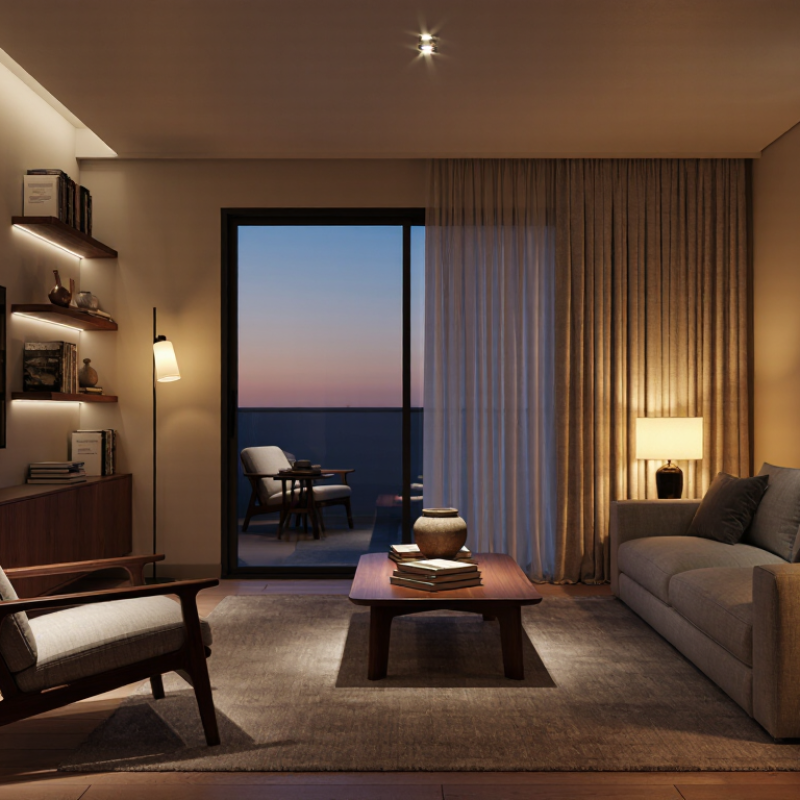
7 Best Strategic Lighting Tips for Luxury on a Budget?

Assess the Space and Define Its Luxury Lighting Goals

Assess the Space and Define Its Luxury Lighting Goals

Luxury lighting begins with observation, not shopping. Walk through the room at morning, afternoon, and night. Note glare on polished floors, shadows beside seating, and dark corners near artwork. Measure ceiling height, window direction, wall color, and existing electrical points. These details reveal where affordable improvements will matter most.

Define the feeling each area should create. An entryway may need a calm welcome, while a kitchen needs precise task lighting. A lounge usually benefits from layered light instead of one bright ceiling fixture. The International Energy Agency reports that lighting represents about 15% of global electricity consumption. The U.S. Department of Energy states that LED lighting uses at least 75% less energy than incandescent lighting and can last up to 25 times longer. Efficiency can support luxury, not weaken it.

Use warm, dimmable sources around 2700K to 3000K for living spaces. Choose high color-rendering lighting near artwork, timber, stone, and skin tones. I have learned that too many fixtures can make a room feel commercial. Less can feel richer. Still, a beautiful plan can miss the mark when switches are poorly placed. Test temporary lamps before final installation. Live with the arrangement for one evening. Then question it. The brightest room is rarely the most elegant.

Assess the Space: Recommended Illuminance for Luxury Lighting Goals

Use these typical illuminance targets in lux to define the lighting brief before selecting fixtures. Lower levels support a relaxed, intimate atmosphere, while higher levels improve visibility for detailed tasks. A layered plan can combine ambient, task, and accent lighting without requiring expensive products.

Prioritize Focal Points That Create a High-End Impression

Luxury rarely comes from lighting every corner. It comes from controlling attention. In a small living room, highlight one focal point: a textured wall, tall artwork, or styled console. Aim a warm beam from above or across the surface. The light should reveal depth, not glare. Keep surrounding areas slightly quieter. That contrast makes modest materials feel more deliberate. It also prevents the room from looking like a showroom.

Before buying fixtures, observe the room at night. Walk through it slowly. Where does your eye naturally rest? A dining table may need a soft pool of light, while a dark niche may need a narrow wall wash. Use dimmers where possible, and choose matching warm color temperatures. One well-placed lamp can outperform three cheap ceiling lights. I learned this after over-lighting a hallway; it felt flat, despite the extra brightness. The correction was simple, but not free.

Spend the budget on focal points and conceal the compromises. Choose clean, simple fittings, then hide cords behind furniture or along neat cable channels. Light artwork from an angle to reduce reflections, and keep fixtures outside the viewer’s sightline. Test every position after sunset. A bulb that looks elegant in a store may create harsh shadows at home. That mistake is common. Leave room to adjust. Luxury depends less on price than on restraint, proportion, and allowing one detail to lead.

Layer Ambient, Task, and Accent Lighting Effectively

Luxury lighting starts with control, not expensive fixtures. Layer ambient, task, and accent light to give each room depth. Ambient lighting establishes a calm base across ceilings and walls. Use dimmable fixtures, then adjust them for morning, evening, and entertaining. A warm color temperature often makes wood, stone, and textiles feel richer. Still, too much warmth can muddy pale surfaces. I learned this after testing a beautiful room that looked tired at night.

Task lighting should follow real activity. Place a focused lamp beside a reading chair, above a kitchen worktop, or near a mirror. Keep the beam free from glare on screens and polished counters. Accent lighting creates expensive-looking moments. Aim a narrow beam at artwork, textured plaster, shelving, or a tall plant. Light from two sides when possible. Shadows become softer. A small gap between wall and fixture can prevent harsh outlines. Do not overdo it. Luxury needs restraint.

A practical layout uses separate switches for each layer. This lets you lower ambient light while keeping a dining table or artwork visible. Test every setting at night, when reflections and dark corners reveal mistakes. I sometimes leave one awkward shadow untouched. It shows the room’s limits. Choose fixture sizes by room scale, not catalog drama. Hide cables, align wall lights, and keep bulbs consistent. These quiet details make budget lighting feel considered, even when the plan is not perfect.

Choose Affordable Fixtures With Premium Visual Details

Luxury lighting rarely comes from a high price tag. It comes from controlled reflection, balanced scale, and fixtures with intentional visual details. In my renovation projects, affordable lights looked more refined when their metal finish matched nearby hardware. Brushed finishes hide fingerprints, while warm bronze adds depth against pale walls. Start with the finish.

Choose fixtures with layered details, such as ribbed glass, slim arms, concealed screws, or a softly curved silhouette. These features catch light and create a custom appearance without expensive materials. A basic ceiling fixture can feel elevated when its shade sits proportionally with the room. Oversized lights may dominate a small dining area, while tiny fixtures often look accidental. Measure twice.

Use warm bulbs around 2700K to create a comfortable, residential atmosphere. Add dimmers where possible, because brightness changes the room’s perceived quality. I have seen inexpensive pendants appear harsh when pointed directly at eye level. A diffuser or frosted shade usually solves that problem. It is not perfect.

Place lighting at different heights. Combine a ceiling fixture, wall light, and low table lamp to soften corners and highlight texture. Keep wiring neatly hidden, even if the fixture itself is modest. Reliability matters too, so check installation instructions, weight limits, and electrical compatibility before purchasing. A beautiful light is not a bargain if it flickers, overheats, or requires constant adjustment. Test the color and shadow pattern at night, not only in the showroom.

Control Color, Placement, and Intensity for a Polished Finish

7 Best Strategic Lighting Tips for Luxury on a Budget?

Luxury lighting is less about expensive fixtures than disciplined control. In residential projects, I begin with color temperature. Warm white light, around 2700K to 3000K, softens stone, wood, and painted walls. Keep connected rooms within a similar range. Mixed tones can make a home feel accidental. High color rendering also matters. It reveals natural fabric and food colors more faithfully. Test samples at night, not only in a bright showroom. Daylight can hide problems.

Tips: Place light in layers. Use ceiling fixtures for general visibility, wall or table lights for atmosphere, and focused sources for artwork or textured surfaces. Aim beams across a wall, rather than directly at it. This creates gentle gradients and makes modest finishes look richer. Keep fixtures away from the center when possible. A small pool of light beside a chair feels intentional. Under-cabinet lighting should sit near the front edge, avoiding dark work surfaces. Use dimmers with compatible lamps. Cheap controls can flicker.

Intensity needs restraint. A bright room is not automatically elegant. Set ambient light lower, then raise task lighting only where needed. I often adjust scenes from a seated position, because glare feels different at eye level. Shield exposed bulbs near mirrors and polished stone. I once overlit a compact dining area; every surface reflected back. Reducing output fixed more than replacing the pendant. Budget choices still need testing. Move a lamp 20 centimeters, change its shade, and reassess the shadows. Small corrections often create the polished finish.

FAQS

What makes lighting feel luxurious in a small living room?

Control attention with one clear focal point. Highlight textured walls, tall artwork, or a styled console. Use a warm beam that reveals depth without glare. Keep nearby areas slightly dimmer. That contrast feels deliberate.

How should I choose a lighting focal point?

Observe the room after sunset. Walk through it slowly. Notice where your eyes naturally rest. A dining table may need a soft light pool. A dark niche may need a narrow wall wash. The best focal point is not always the most expensive feature.

What color temperature works well for an elegant home?

Warm white light around 2700K to 3000K usually softens wood, stone, and painted walls. Keep connected rooms within a similar range. Mixed tones can make the home feel accidental. Test samples at night. Showroom lighting can hide problems.

How can I layer lighting effectively?

Combine ambient, task, and accent lighting. Ambient light creates a calm base across ceilings and walls. Task lighting supports reading, cooking, or grooming. Accent lighting emphasizes artwork, shelves, textured surfaces, or plants. Use separate switches when possible. More control helps.

Where should task lighting be placed?

Put a focused lamp beside a reading chair. Place worktop lighting near the front edge of the cabinet. Use mirror lighting without exposing bulbs directly to your eyes. Keep beams away from screens and polished counters. Practical lighting should follow real activity.

How can I avoid glare and harsh shadows?

Aim light across a wall instead of directly at it. Light artwork from an angle. Keep fixtures outside the viewer’s direct sightline. Use two-sided lighting when possible. A small wall gap can soften outlines. Still, some shadows may remain.

How bright should luxury lighting be?

Brightness alone does not create elegance. Keep ambient lighting lower, then increase task lighting where needed. Adjust scenes from a seated position. Eye-level glare can feel surprisingly strong. Move a lamp 20 centimeters and reassess. Small changes often outperform new fixtures.

What budget details make lighting look more considered?

Choose simple fittings with appropriate proportions. Hide cords behind furniture or inside neat cable channels. Keep bulbs consistent across connected spaces. Select fixture sizes according to the room, not dramatic catalog images. A cheap control may flicker. Budget lighting still needs testing.

Conclusion

How to achieve a "luxury feel" on a budget with strategic lighting? Start by assessing the space, identifying its strongest features, and defining the atmosphere you want to create. Instead of illuminating every area equally, focus on key focal points such as artwork, architectural details, dining areas, or textured walls. Drawing attention to these features can make a room feel more refined without requiring expensive renovations.

A polished lighting plan combines ambient, task, and accent lighting to create depth and flexibility. Choose affordable fixtures with elegant shapes, quality-looking finishes, and thoughtful details, then position them carefully for balanced visual impact. Finally, refine the result by controlling color temperature, placement, beam direction, and brightness. Warm, layered, and adjustable lighting can make even simple interiors feel comfortable, sophisticated, and intentionally designed while keeping costs under control.

Madeline

Madeline

Madeline is a dedicated marketing professional with a wealth of expertise in our company's core offerings. With a keen understanding of the industry, she brings a unique perspective to her role, consistently delivering high-quality content that highlights the superior aspects of our products. As......