Top 10 Ways to Clean Delicate Wall Lamps Without Damage

Time:2026-09-06 Author:Henry
0%

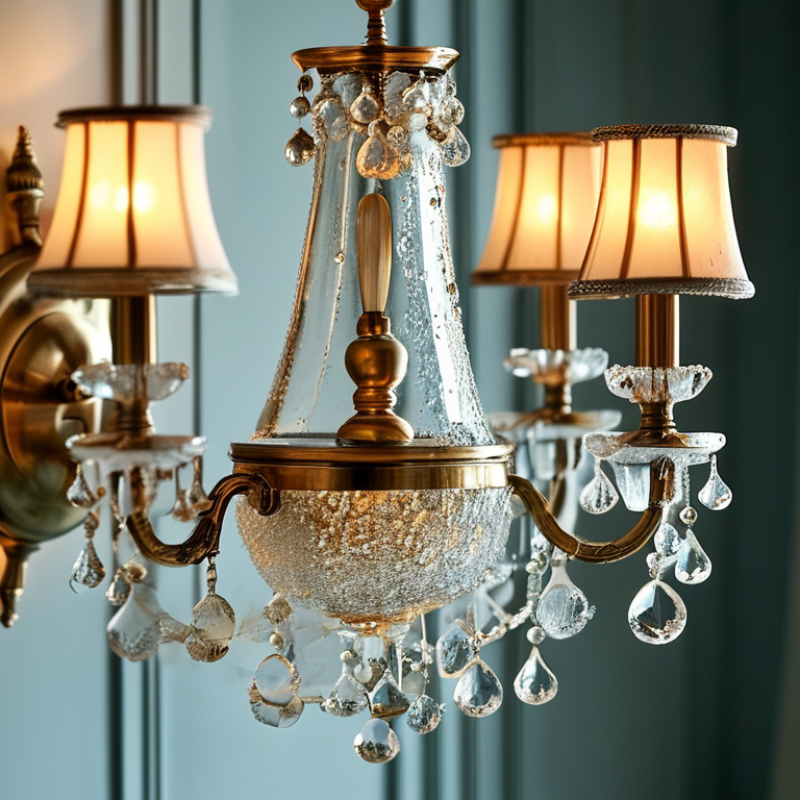
Delicate wall lamps add a refined glow, but their fragile finishes demand careful cleaning. Dust can settle around crystal drops, brass edges, fabric shades, and narrow glass grooves. A careless cloth may leave scratches, water marks, or loosened decorative parts. This guide explains practical methods for safer maintenance at home.

If you have wondered, “How to clean delicate light luxury wall lamps without damage?” the answer begins with preparation. Switch off the power and allow every bulb and metal surface to cool completely. Place a soft towel beneath the lamp to catch falling dust or small screws. Use a clean microfiber cloth, a soft artist’s brush, and a small amount of mild soapy water. Never spray liquid directly onto the fixture.

Work slowly. Very slowly. Support hanging crystals with one hand while wiping them with the other. For plated brass, test the cleaning solution on a hidden area first. Some finishes react badly, even when the product seems gentle. Avoid rough sponges, strong solvents, excess moisture, and compressed air near loose fittings. These details reflect common care advice from lighting specialists and restoration professionals.

Still, no method is completely risk-free. Older lamps may contain weakened wiring, brittle coatings, or hidden corrosion. Stop immediately if you notice heat damage, flickering, exposed wires, or unstable mounting. A qualified electrician or lighting professional should inspect those problems. Regular gentle dusting is usually safer than occasional aggressive cleaning. The following ten methods focus on preserving appearance, function, and the quiet elegance of delicate wall lighting.
Top 10 Ways to Clean Delicate Wall Lamps Without Damage

Safety Checks Before Cleaning Delicate Wall Lamps

Before cleaning a delicate wall lamp, disconnect its power at the switch and circuit breaker. Let the bulb and metal parts cool completely. NFPA’s Home Structure Fires report for 2016–2020 found electrical distribution and lighting equipment involved in 24% of reported home fires. That figure deserves respect.

Do not rely on the wall switch alone. Test the circuit with a properly rated voltage tester, and confirm the tester works before and after checking. Keep your hands dry. Use a stable step ladder, not a chair. Inspect the cord, mounting plate, socket, and nearby wall for scorching, cracks, looseness, or unusual heat. Stop there if anything looks damaged. A qualified electrician should examine hardwired problems.

Remove glass shades only when they are cool and supported with both hands. Photograph the assembly before loosening small screws. It sounds excessive, but misplaced screws can create poor contact later. Avoid spraying cleaner onto the lamp. Dampen a soft lint-free cloth instead, and keep moisture away from sockets and seams. The Electrical Safety Foundation International emphasizes de-energizing equipment before electrical work, even when the task appears minor. My own checklist is not perfect; dust can hide a darkened wire, and a quick glance may miss it. That is why cleaning should begin with inspection, not polish.

Gathering Non-Abrasive Tools and Suitable Cleaning Solutions

Top 10 Ways to Clean Delicate Wall Lamps Without Damage

Cleaning delicate wall lamps starts with the right tools, not stronger chemicals. Turn off the power and let the fixture cool completely. Use a soft microfiber cloth, a clean makeup brush, cotton swabs, and a small bowl. Choose tools without grit, loose metal edges, or hard plastic seams. A vacuum with a soft brush attachment can lift dust from vents and fabric shades. Test every method on a hidden area. I once used a damp cloth too quickly, and it left a faint mark on a porous shade.

For suitable solutions, begin with distilled water and a barely damp cloth. Distilled water reduces mineral spots on glass and polished surfaces. For washable glass, mix a few drops of mild dish soap into the water. Never soak the cloth. It should feel almost dry. Apply the solution to the cloth, not the lamp. Avoid bleach, ammonia, abrasive powders, alcohol-heavy cleaners, and acidic mixtures. These may cloud finishes or weaken protective coatings. For brass, painted metal, plaster, or silk-like shades, follow the material’s care guidance. If the surface reacts, stop immediately.

Tips: Work from the top down with gentle strokes. Hold delicate shades from underneath while cleaning. Change cloths when dust becomes gritty. Clean small sections, then inspect them under angled light. Do not rush. If unsure, leave the fitting untouched and ask a qualified lighting professional.

Top 10 Ways to Clean Delicate Wall Lamps Without Damage - Gathering Non-Abrasive Tools and Suitable Cleaning Solutions
No. Cleaning Method Non-Abrasive Tools Suitable Cleaning Solution Recommended Procedure Damage-Prevention Tip
1 Switch Off and Cool the Lamp Clean handsDry cloth No solution required Turn off the power and allow the lamp and bulb to cool completely before touching any part of the fixture. Do not clean a warm or energized lamp. Moisture and electricity can create a shock or short-circuit risk.
2 Remove Loose Dust Gently Soft microfiber clothSoft artist brush Dry cleaning only Use light strokes to lift dust from the shade, frame, vents, and decorative details. Work from the top downward. Never press dust into textured finishes, fabric shades, or delicate metal coatings.
3 Vacuum Narrow Gaps Vacuum with brush attachmentMesh screen Dry cleaning only Set the vacuum to low suction and keep the soft brush attachment slightly above the surface while cleaning seams and crevices. Do not allow the nozzle to touch glass, fabric, painted surfaces, or loose decorative pieces.
4 Clean Glass or Acrylic Covers Microfiber clothCotton swabs Distilled water or a small amount of mild, pH-neutral soap diluted in water Dampen the cloth rather than spraying the cover. Wipe gently, then dry with a second clean microfiber cloth. Test first in an inconspicuous area. Avoid ammonia, abrasive powders, and rough paper towels, especially on acrylic.
5 Treat Fabric Shades Carefully Soft upholstery brushLint-free cloth Dry cleaning is preferred; use only a barely damp cloth if the care instructions allow it Brush or vacuum through a screen to remove surface dust. For a small mark, dab gently instead of rubbing. Excess water can cause rings, shrinkage, dye transfer, or permanent deformation.
6 Wipe Painted or Powder-Coated Metal Microfiber clothSoft cotton swabs Distilled water with a few drops of mild dish soap Apply the diluted solution to the cloth, wipe lightly, and immediately dry the surface to prevent moisture marks. Do not use scouring pads, metal brushes, solvents, or concentrated detergents that can dull or strip the finish.
7 Clean Unlacquered Brass or Copper Conservatively Soft microfiber clothCotton swabs Distilled water and mild soap only, unless the care instructions specify otherwise Remove dust first, then wipe a small section with a barely damp cloth. Dry immediately and evenly. Polishing products can remove intentional patina or protective coatings. Always confirm the finish before polishing.
8 Detail Crystals, Beads, and Decorative Parts Soft makeup brushMicrofiber cloth Distilled water, used sparingly Dust each piece with a soft brush. If needed, lightly dampen a cloth and clean one component at a time before drying it. Do not pull, twist, or soak attached ornaments. Support loose pieces to prevent strain on fittings.
9 Clean the Wall Plate and Switch Area Dry microfiber clothCotton swabs Dry cleaning preferred; use a barely damp cloth away from electrical openings With the power isolated, wipe the wall plate and surrounding trim. Keep liquid away from sockets, switches, seams, and wiring. Never spray cleaner directly onto the fixture or wall plate. Use only a small amount of moisture on the cloth.
10 Dry, Inspect, and Reassemble Clean dry clothGloves No solution required Allow every cleaned part to dry fully. Check for loose screws, cracked covers, corrosion, or exposed wiring before restoring power. Do not reinstall wet components. Stop and consult a qualified electrician if electrical damage or unstable mounting is found.

Removing Dust Without Scratching Fragile Surfaces

Top 10 Ways to Clean Delicate Wall Lamps Without Damage

Removing Dust Without Scratching Fragile Surfaces

Dust is more than a visual problem. The U.S. Environmental Protection Agency reports that indoor pollutant levels can be two to five times higher than outdoor levels. Fine particles may settle on glass, painted metal, and fabric shades. Use a gentle routine.

Turn off the circuit and let the lamp cool completely. Photograph its position before moving any parts. Wear clean cotton gloves. Lift loose dust with a soft artist’s brush. A hand air blower can clear narrow grooves. Avoid compressed air, which may force particles behind the shade. Use a vacuum with a brush attachment nearby, not directly against the surface. Keep the nozzle several centimeters away. Work from top to bottom. Slow movements matter.

For fingerprints, dampen a microfiber cloth with distilled water. Never spray the lamp directly. Test one hidden area first. Wipe with almost no pressure. Dry the surface immediately with another cloth. Cotton swabs can reach screw edges and decorative recesses. Do not use paper towels, abrasive sponges, or ammonia-based cleaners. They can leave scratches or soften old finishes. The Illuminating Engineering Society’s maintenance guidance emphasizes controlled cleaning and inspection, but household conditions remain less predictable. That limitation matters. I once assumed a dry cloth was always safest; it dragged grit across a coated surface. Now I brush first, then wipe. Inspect the lamp under a side light. Small scratches appear there first.

Top 10 Ways to Clean Delicate Wall Lamps Without Damage

Removing dust without scratching fragile surfaces requires low-contact tools, gentle pressure, and minimal moisture. The chart ranks common cleaning methods by relative surface-safety score, where 10 indicates the lowest risk of scratching or moisture damage.

Start with non-contact or dry methods. Test any cloth or cleaning solution on an inconspicuous area first, and disconnect power before cleaning.

Cleaning Glass, Metal, Fabric, and Decorative Components

Delicate wall lamps need gentle, controlled cleaning rather than heavy scrubbing. Before cleaning, switch off the power and let every surface cool completely. Place a towel beneath the fixture to catch drips and loose dust. Start with a dry, soft microfiber cloth. It removes grit without dragging particles across the finish. For glass, use distilled water and a small amount of mild soap. Apply the solution to the cloth, never directly onto the lamp. Wipe in small circles, then dry the glass immediately. Textured glass needs a soft brush for its grooves. Cotton swabs can reach narrow edges.

Metal requires more caution because finishes vary. Dust polished, painted, or plated metal with a clean cloth first. For light marks, use barely damp fabric and dry with a second cloth. Avoid abrasive powders, rough sponges, and acidic cleaners. They may dull the surface or expose a different layer. Check an unseen area before cleaning the visible frame. That small test can prevent an expensive mistake.

Fabric shades should be vacuumed with a brush attachment on low suction. Keep the nozzle slightly above fragile fibers. If the care label permits, blot stains with diluted mild soap. Do not soak the fabric, because trapped moisture may stain the lining. Decorative beads, crystals, and carved pieces need separate attention. Photograph their arrangement before removal, if removal is truly necessary. Otherwise, clean around them with a dry cotton swab. I sometimes find that “almost clean” is safer than over-cleaning. Inspect the lamp after drying, and restore power only when no moisture remains.

Drying, Reassembling, and Inspecting the Wall Lamp Safely

After cleaning a delicate wall lamp, drying deserves more attention than the cleaning itself. Turn off the circuit breaker, not only the wall switch. Remove loose moisture with a soft, lint-free cloth. Then place each part on a dry towel in a warm, shaded room. Never use a hair dryer or direct sunlight. Heat can warp thin shades, loosen finishes, or crack glass.

Wait until every seam feels completely dry. Check screw holes, sockets, and narrow metal channels with a dry cotton swab. I usually allow several hours, but damp weather may require overnight drying. Rushing this step is an easy mistake. I have learned that a surface can feel dry while moisture remains inside a fitting.

Reassemble the lamp in the order shown by your photographs. Keep screws separate, and tighten them gently. Over-tightening may fracture ceramic parts or distort delicate frames. Make sure the shade sits evenly and wires remain clear of sharp edges. Before restoring power, inspect the cord, socket, insulation, and mounting plate for discoloration, looseness, or exposed wiring. Do not test a damaged lamp. Ask a qualified electrician to assess uncertain electrical components. After installation, switch the power on briefly and watch for flickering, unusual heat, or a burning smell. Stop immediately if anything seems abnormal.

FAQS

: What should I do before cleaning a delicate wall lamp?

: Turn off the wall switch and circuit breaker. Test the circuit with a properly rated voltage tester. Confirm the tester works before and after testing. Keep your hands dry.

Can I use a chair while cleaning a wall lamp?

No. Use a stable step ladder on a level floor. A chair can slip or tip unexpectedly. Keep both feet firmly placed.

What should I inspect before touching the lamp?

Check the cord, socket, mounting plate, and nearby wall. Look for scorching, cracks, looseness, or unusual heat. Stop if anything looks damaged. Do not guess.

How should I remove a glass shade?

Let it cool completely. Support it with both hands while removing it. Photograph the screws and assembly beforehand. Small parts are easy to misplace.

How can I clean the lamp without causing damage?

Dampen a soft, lint-free cloth. Never spray cleaner directly onto the lamp. Keep moisture away from sockets, seams, and wiring. A little moisture can travel farther than expected.

How should the lamp parts dry?

Wipe away loose moisture with a dry cloth. Place every part on a dry towel in a warm, shaded room. Do not use a hair dryer or direct sunlight. Allow several hours, or overnight in damp weather.

How can I reassemble the wall lamp safely?

Follow your photographs and keep screws separated. Tighten screws gently. Excessive force may crack ceramic parts or distort thin frames. Ensure the shade sits evenly. Keep wires away from sharp edges.

When is it unsafe to restore power?

Do not restore power if wiring, insulation, or sockets look damaged. Ask a qualified electrician to inspect uncertain electrical components. After installation, watch briefly for flickering, unusual heat, or burning smells. Stop immediately if anything seems abnormal. My checklist is not perfect. Moisture and hidden damage can escape a quick glance.

Conclusion

How to clean delicate light luxury wall lamps without damage? Start by switching off the power, unplugging the fixture when possible, and allowing all components to cool completely. Protect nearby walls and furniture, then prepare soft microfiber cloths, a clean soft brush, cotton swabs, mild soap, and lukewarm water. Avoid abrasive pads, harsh chemicals, excessive moisture, and spraying liquid directly onto the lamp. Gently remove loose dust first, working from top to bottom with light strokes to prevent scratches on fragile finishes.

For glass parts, wipe with a slightly damp cloth and dry immediately. Clean metal surfaces carefully according to their finish, while fabric shades should be dusted gently and treated with minimal moisture. Decorative details require cotton swabs and patience rather than pressure. After cleaning, let every part dry fully before reassembling the lamp. Check that screws, shades, and decorative elements are secure, inspect the surface for remaining marks, and restore power only when the fixture is completely dry and safely assembled.

Henry

Henry

Henry is a dedicated marketing professional with a profound expertise in the company's offerings. With years of experience in the industry, he possesses an impressive understanding of the market dynamics and consumer behaviors that drive success. Henry is committed to sharing his insights through......